
(You must register and have a linked account first)
View Privacy Policy


OR

Show


Forgot your password?

Error message here!

Error message here!

Error message here!

Error message here!

Show Error message here!

Show Error message here!


Lost your password? Please enter your email address. You will receive a link to create a new password.

Error message here!

Back to log-in

Close

For Sale

The following items are listed by for sale by users of the site and dealers. They are in no way endorsed or guaranteed by www.oldswords.com

Add a Classified Item
to

Clicking on the sword will take you through to the relevant classified item or dealer site.
Don't miss out! - Do you want to be kept informed weekly of new aditions? Just join our weekly update list.

You can also receive regular email notifcations when items match your keywords. To recieve them just register or logon at the top right of this page.

Page 4 of 40
  • Nation : British
  • Local Price : £4750
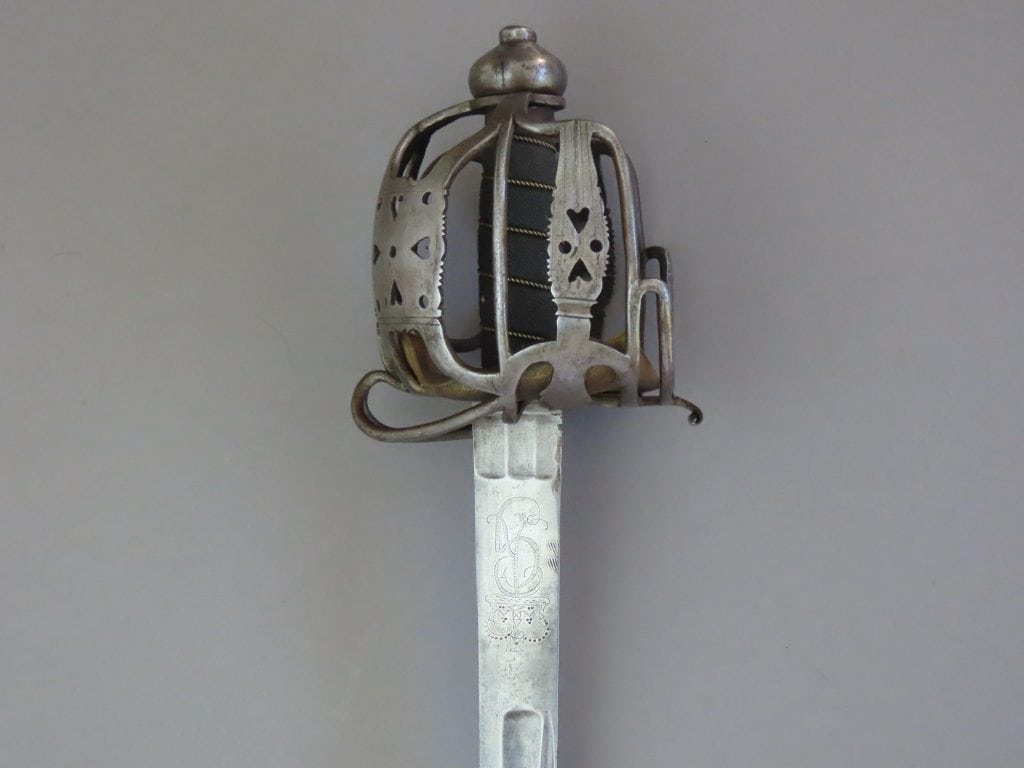
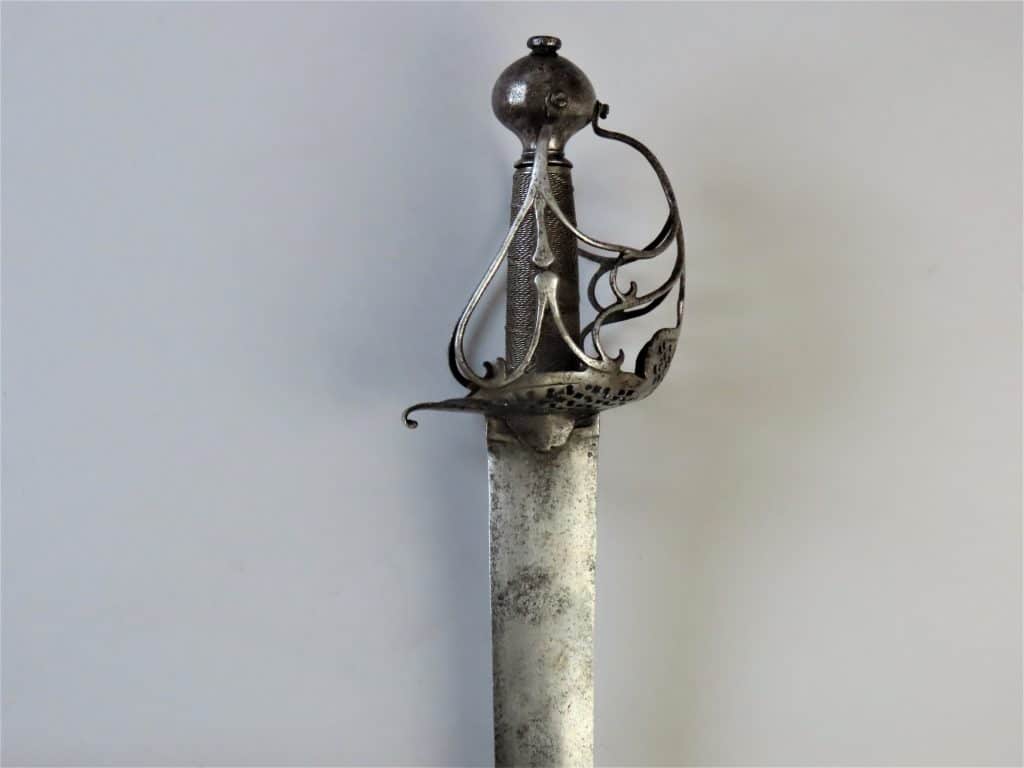
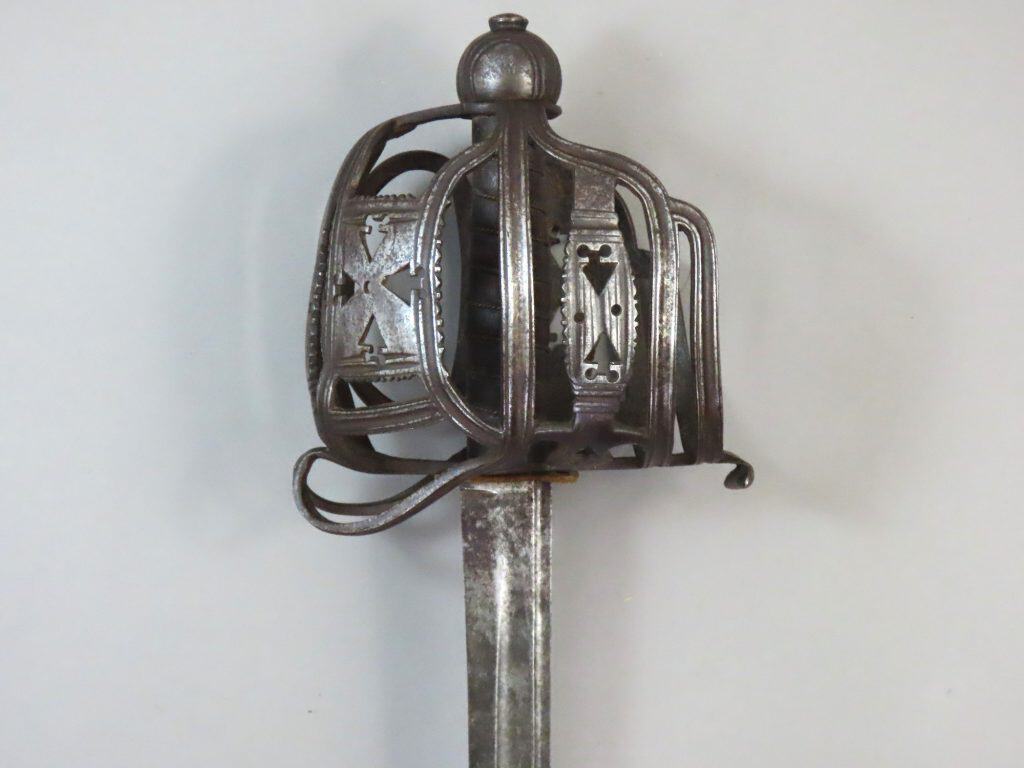
Scottish Basket Hilted Sword dating to circa 1730-1740. A fine Scottish basket hilted sword dating to the second quarter of the 18th century. The sword is a nicely contoured example of this distinctive sword type. The hilt is forged from thick structural rounded bars and plates. The single edged blade is a finely forged example with a double fuller most likely of Solingen manufacture The basket guard is finely forged into its elegant profile. The two main frontal guard panels are decorated in traditional style, with vertical and horizontal  border lines incised into the exterior surfaces towards the panel edges to form squares. Inside these squares a circle is pierced into the centre. The panels are then further decorated with four flanged heart shapes which surround the centre circles. Further circles are pierced into each corner of the squares. The smaller, secondary guard plates to the sides, and the knucklebow plate to the front, are finished in similar style. The cone-shaped pommel has a waisted button on top and is decorated with four pairs of incised double lines, equally spaced apart, which radiate from the button. The upper guard arm terminals of the basket fit into a chiselled groove which extends for the full circumference of the pommel just below its middle to secure the structure. The blade shoulders are secured in a chiselled groove in the cross guard bar underneath the hilt which retains its scrolled wrist guard. The spirally grooved wooden baluster shaped grip is covered with shagreen and bound with wire. The hilt also has a full leather liner covered with red cloth on the outside and stitched with a blue silken hem. The tapering single edged blade is of fine quality. It has a  ricasso which extends 1.5 inches (4.0 cm) from the hilt. A short bold fuller extends for the length of the ricasso just inside the blunt edge of the cutting side of the blade. A further bold fuller runs underneath the spine from the hilt and terminates  25.5 inches (65 cm) along after which the blade is double edged to the the tip. A second fuller commences a short distance from the hilt runs underneath the first. The blade is just under 32 inches (81.25 cm) long. For similar styles of hilt see “Poetry in Steel The Earliest Swords of Walter Allan of Stirling”, by the Baron of Earlshall, London Park Lane Arms Fair, page 129 to 138, Spring 2018, Apollo Publishing. There are strong resemblances between this hilt and those produced in Stirling by both John and Walter Allan during this period, particularly that shown on page 137, figs 11 and 12, which is a robust hilt of similar profile lacking fretted edges to the guard panels. See also Cyril Mazansky, “British Basket-Hilted Swords”, The Boydell Press, 2005, page 106, fig F12, for a sword in a private American collection and pages 115, fig F15h, and page 116, fig F16, for swords in the Marischal College in Aberdeen, all of which have plain unfretted edges to the guard panels. The overall length of the sword is 37.5 inches (95 cm) long.
  • Nation : ?
  • Local Price : 4,750.00
. New item, description to follow.
  • Nation : British
  • Local Price : £4750
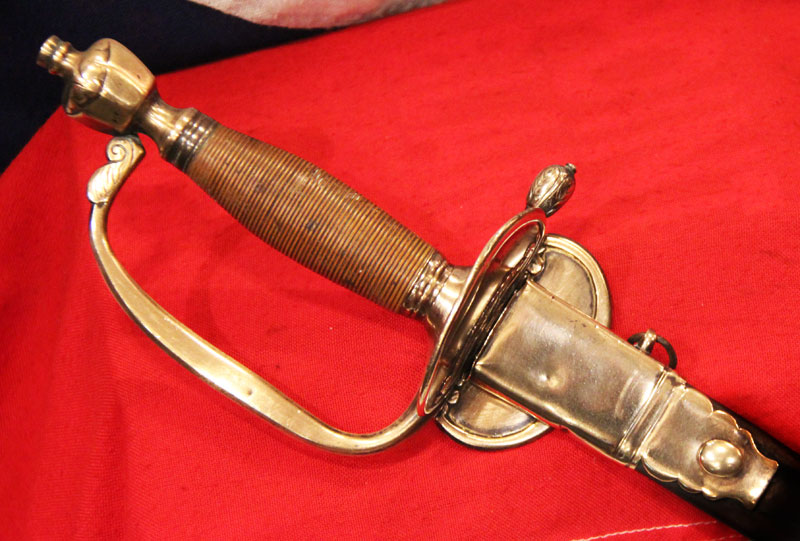
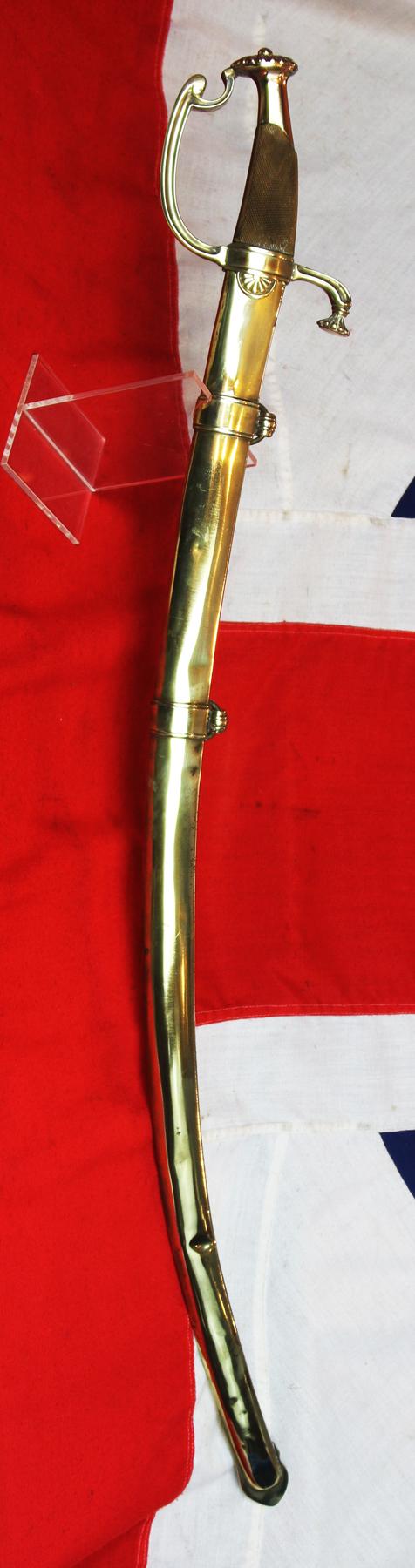
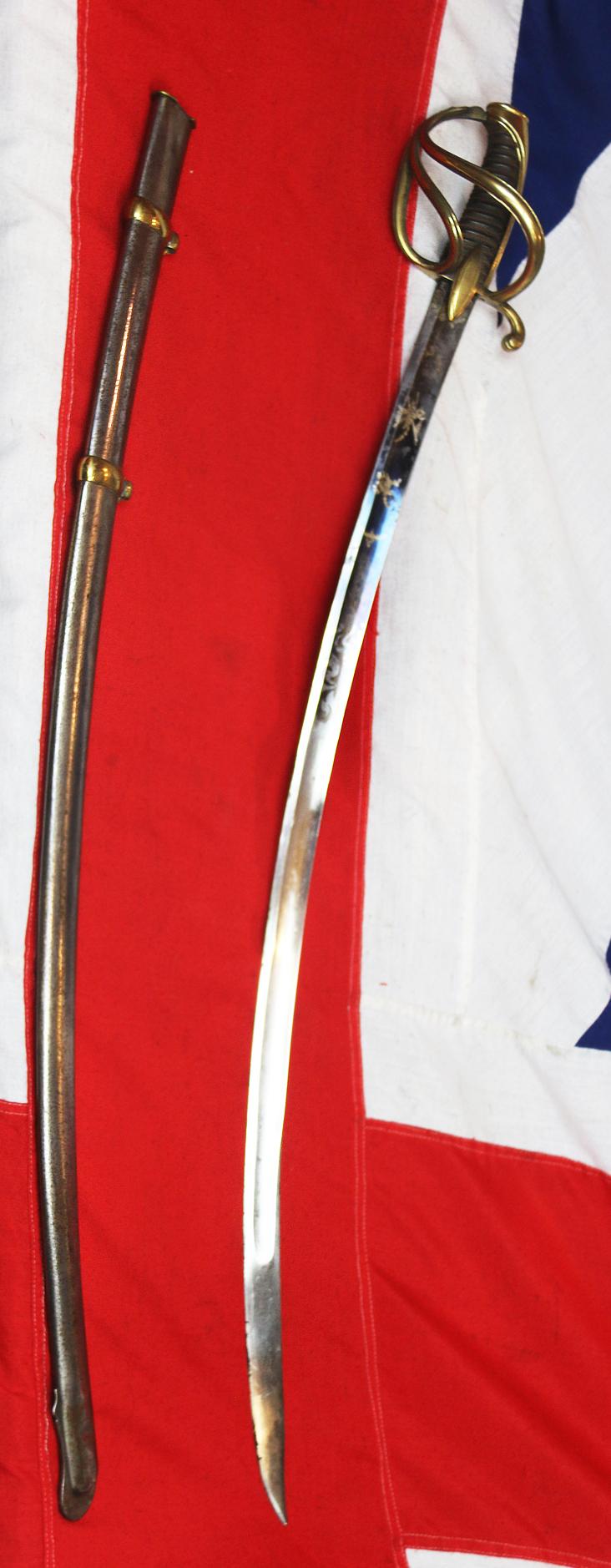
Click and use the code >21865 to search for this item on the dealer website Stunning, Historical, Napoleonic War&#acute;s Period, 1796 Pattern Officer´s Combat Sword of William A. Cuninghame, of the 95th
  • Nation : Japanese
  • Local Price : £4750
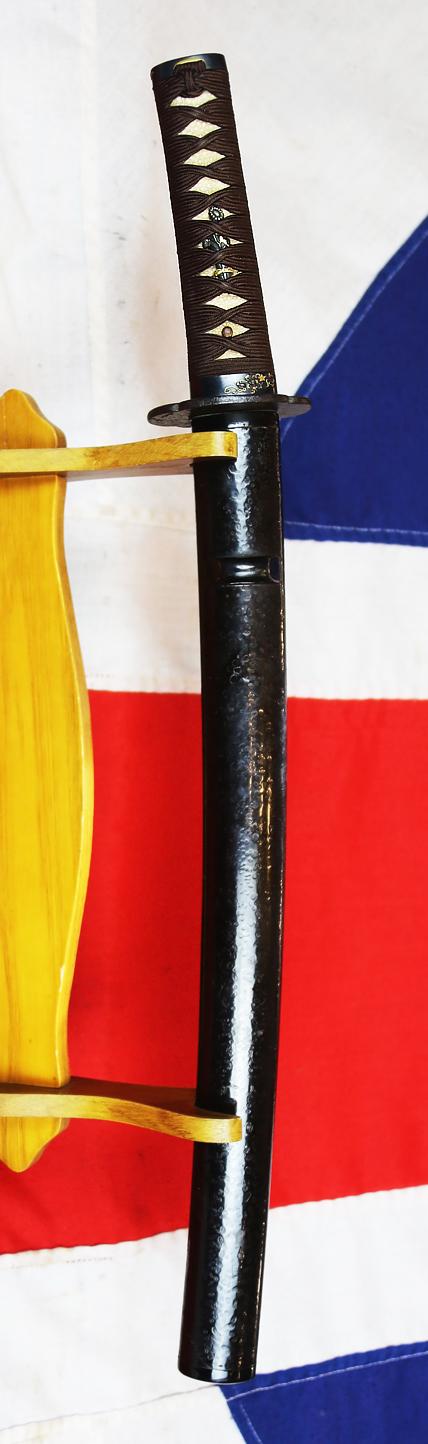
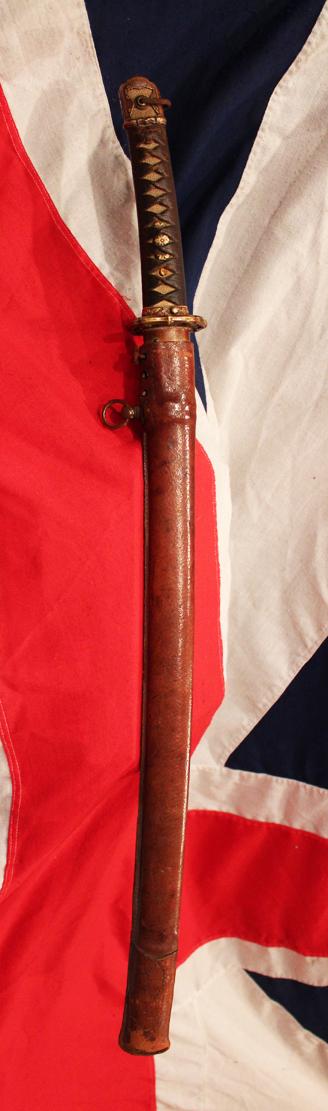
Click and use the code >24556 to search for this item on the dealer website Wonderful 500 Year Old Koto Period Samurai ´Dragon´ Wakizashi Samurai Short Sword, Another Absolute Beauty From Our latest collection
  • Nation : British
  • Local Price : £4,750.00
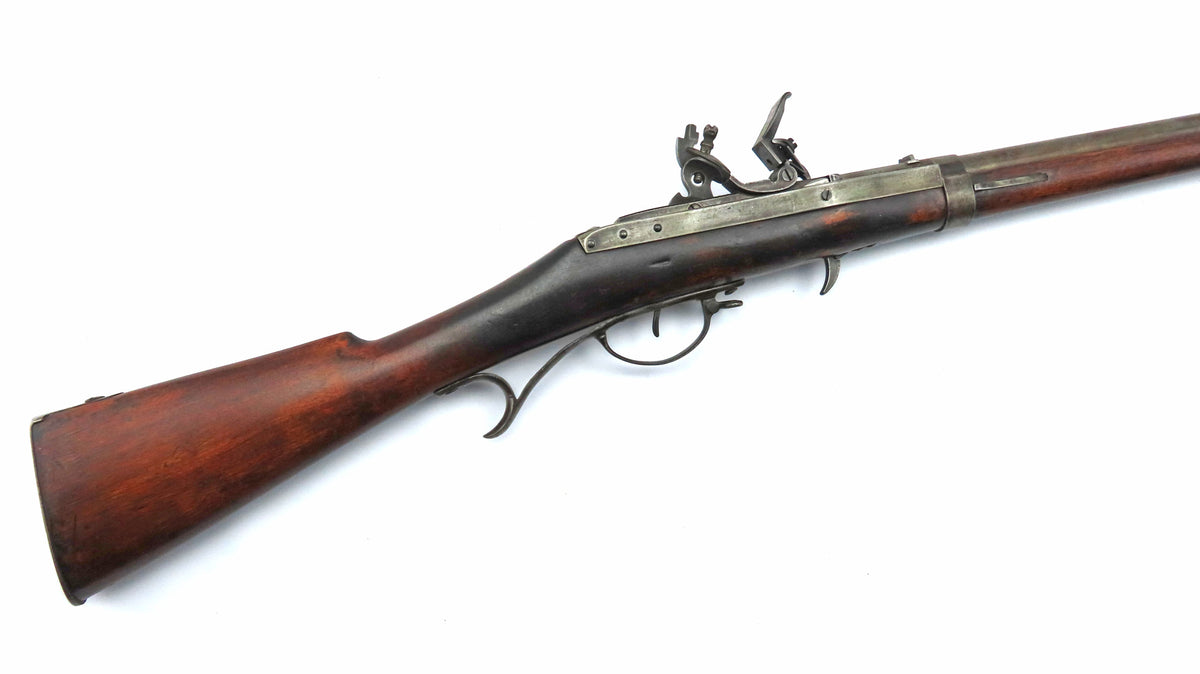
Hall Patent 1819 Breech Loading Flintlock Harper Ferry Rifle. X3554. A Rare Hall Patent 1819 Breech Loading Flintlock Harper Ferry Rifle. 53 1/2&157; overall, 32 1/2&157; .52 calibre barrel with multi-groove rifling stopping short 1 1/2&157; from the muzzle to allow muzzle loading, offset blade fore-sight, offset notch rear-sight, stamped ´NWP´ at breech. Broad iron receiver swelling forwards of centre with a lift up reverse loading breech operated via a short lever below the fore-end, offset central hammer, the top of breech block marked ’US S North Midl Conn 1833’. Walnut full stock, iron furniture including raised pistol grip spur to lower tang, two spring retained&194;&160;&194;&160;iron barrel bands, two sling swivels, double band nose cap, button tipped under barrel ramrod. Dated 1833. &194;&160; &194;&160;&194;&160;&194;&160;&194;&160;&194;&160;&194;&160;&194;&160;&194;&160;&194;&160;&194;&160;&194;&160;&194;&160;&194;&160;&194;&160;&194;&160;&194;&160;&194;&160;&194;&160;&194;&160;&194;&160;&194;&160;&194;&160;&194;&160;&194;&160;&194;&160;&194;&160;&194;&160;&194;&160;&194;&160;&194;&160;&194;&160;&194;&160;&194;&160;&194;&160;&194;&160;&194;&160;&194;&160;&194;&160;&194;&160;&194;&160;&194;&160;&194;&160;&194;&160;&194;&160;&194;&160;&194;&160;&194;&160;&194;&160;&194;&160;&194;&160;&194;&160;&194;&160;&194;&160;&194;&160;&194;&160;&194;&160;&194;&160;&194;&160;&194;&160;&194;&160;&194;&160;&194;&160;&194;&160;&194;&160;&194;&160;&194;&160;&194;&160;&194;&160;&194;&160;&194;&160;&194;&160;&194;&160;&194;&160;&194;&160;&194;&160;&194;&160;&194;&160;&194;&160;&194;&160;&194;&160; In good condition, very good bore. Simon North Contract model 1819, 5,700 made between1830-36 most converted to percussion. Images courtesy of West Street Antiques (https://antiquearmsandarmour.com/)
  • Nation : Chinese
  • Local Price : £4750
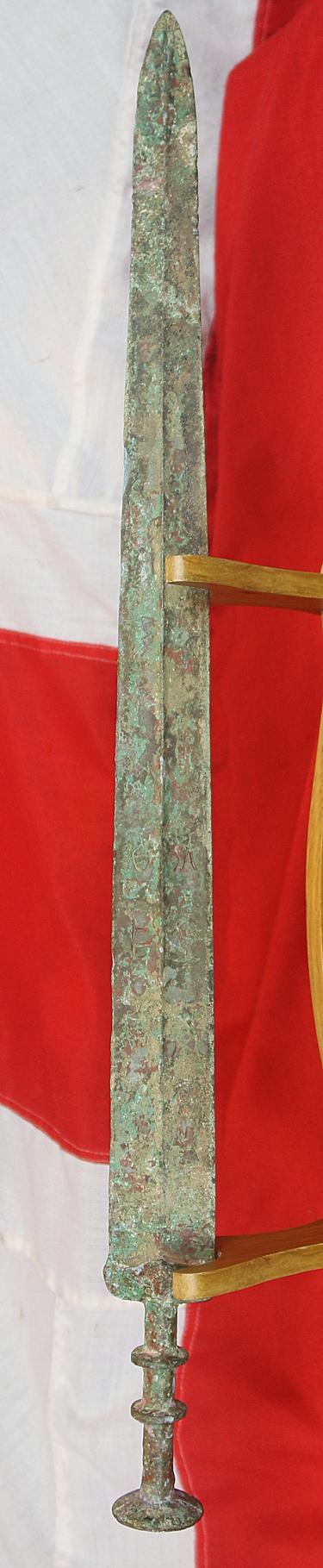
Click and use the code >24840 to search for this item on the dealer website Rare, Archaic Chinese Warrior´s Bronze Jian Sword, Engraved with Seal Script, Around 2,300 to 2,800 Years Old, From the Zhou Dynasty to the Qin Dynasty, Including the Period of the Great Military Doctrine ´The Art of War´ by General Sun-
  • Nation : British
  • Local Price : £4650
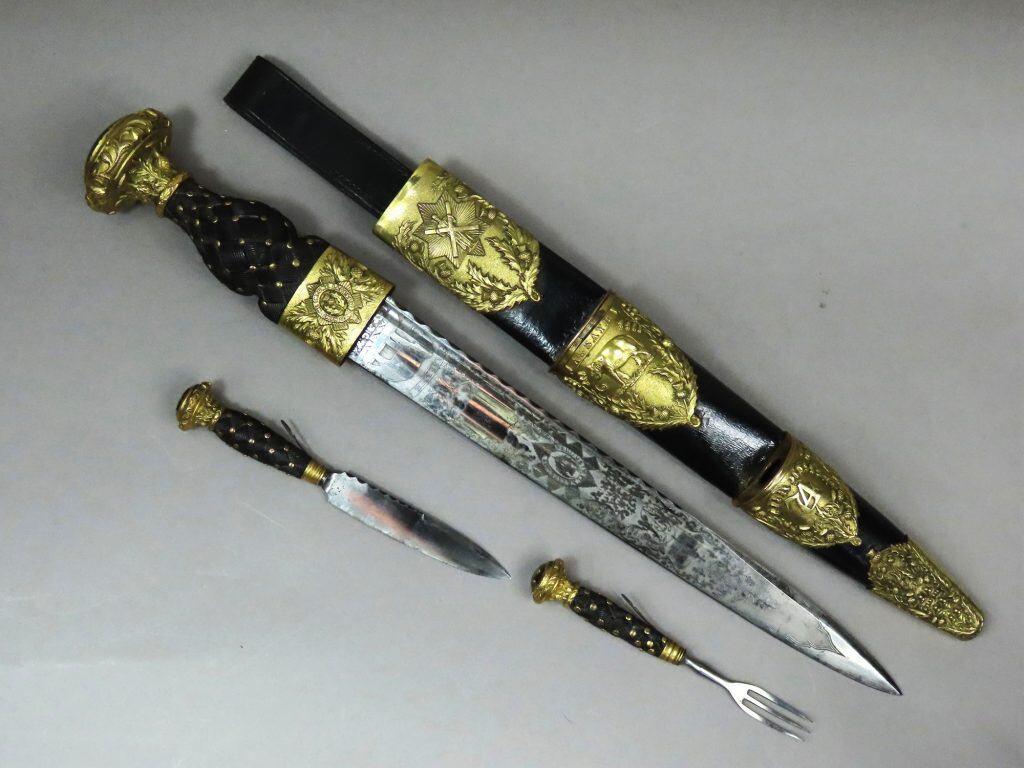
Majestic Victorian Scottish Dirk for a 74th Highlanders Officer dating to before 1881. A very nice dirk of bold proportions for an officer of the 74th (Highland) Regiment of Foot dating to before the widespread reforms to the British Infantry implemented by the Secretary of State for War Hugh Childers in 1881. As part of these reforms the 74th (Highland) Regiment amalgamated with the 71st (Highland) Regiment to become the Highland Light Infantry with the 74th forming the 2nd Battalion. The dirk mounts are of gilt bronze and it was retailed by Ponder, 37 Duke Street, St James, London. The single-edged leaf shaped blade is just under a foot long (just over 30 cm) and has a blunt back edge extending 7 inches (18 cm) from the base of the grip which is scalloped for most of its length after which it is double edged to the tip. A single pronounced fuller runs underneath the blunt back edge with a broader, shallower fuller running beneath along the middle of the blade. The blade is sumptuously etched and engraved on both sides. The side with the cutting edge to the left when the dirk is held upwards has the name of the retailer near the grip with a stand of arms above featuring banners, muskets, trumpets and a bonnet. A vacant circular depression in the middle of the stand of arms once contained a small circular brass stud which is now missing. The rest of the blade is taken up with 13 battle honours in scrolling script beginning with the Sieges of Seringapatam in India in 1792 / 1799 and ending with the Peninsular Campaign of the Napoleonic Period and the Battle for Toulouse in 1814 On the reverse side near the grip an elephant is present over which “ASSAYE” marks the involvement of the Regiment in the battle of that name in India in 1803.  Above this a complex foliate panel contains a vacant cartouche in the middle. Above this the regimental badge is present on a star surround centred with a thistle surrounded by a circular belt with the words NEMO ME IMPUNE LACESSIT (NO ONE PROVOKES ME WITH IMPUNITY) engraved within its borders , followed by another foliate panel containing the VR cypher and a crown above. The grips of the dirk, by-knife and fork are baluster shaped and of black hardwood cut with fluted basket weave patterns with brass studs mounted at the intersections. Each piece is mounted with a pommel with bold foliage and thistles in raised relief with yellow backed multi-faceted citrines mounted on top. The by-knife and fork are secured in their pockets with blued sprung steel clips mounted onto each grip on one side. The Regimental badge and motto “NEMO ME IMPUNE LACESSIT ” is applied either side of the base mount of the dirk grip, similar to the badge on the blade, on a background of thistles and foliage. This was the Latin motto of the Royal Stuart dynasty of Scotland from at least the reign of James VI when it appeared on the reverse side of merk coins minted in 1578 and 1580. It is still the adopted motto of the Order of the Thistle and of some Scottish regiments of the modern British Army. The scabbard is of wood covered with black leather and retains its suspension bar and strap at the back. The mouthpiece to the front shows St Andrew holding a cross on a background of a star surrounded with foliage and thistles.  The mount for the by-knife pocket shows an Indian Elephant with “ASSAYE” above, as on the blade, surrounded with thistles and foliage. On the mount of the by-fork pocket is the Regimental number “74” within a frame of foliage and thistles. The chape possesses further thistle designs. The dirk is in overall fine condition. The bronze mounts retain almost all of their gilt cover. The blade is in good condition. The pommel stones and their housings are intact. The overall length of the dirk in its scabbard is just over 189 inches (48.5 cm) long. The dirk alone is 17.75 inches (44.5 cm) long.  The 74th was raised in 1787 by Archibald Campbell, their first Colonel, and was known as Campbell's Highlanders. The Regiment first saw action in India during the Mysore campaign of 1789, and subsequently saw action under Arthur Wellesley in the Mahratta War of 1802. Returning to Europe, the 74th served under Wellington again in the Peninsular campaign, and fought at Busaco, Fuentes d'Onoro, (both sieges of Badajoz), also the siege of Ciudad Rodrigo, Salamanca, Vittoria, Nivelles, Tarbes, Orthe, and Toulouse. It was then sent to help garrison Ireland, and so missed the Battle of Waterloo, although it was on its way to embark for Belgium when news of the battle arrived. The Regiment remained in Ireland until 1818 and was then in Canada and New Brunswick until 1828, Bermuda for a year, and in Ireland again from 1830 to 1834. Later in the 1830s and into the 1840s, the 74th was stationed in St. Lucia, Barbados and other islands in the West Indies; its personnel keeping remarkably healthy apart from one outbreak of fever and dysentery. Without coming home again, the Regiment went to Quebec in Canada. The 74th came back to Britain from Canada in March 1845 and later that year became the 74th (Highland) Regiment and served in the Kaffir War and in the Sepoy Rebellion. In 1881 as part of the Childers Reforms, the 74th amalgamated with the 71st (Highland) Regiment of Foot to become the 2nd battalion, Highland Light Infantry.
  • Nation : British
  • Local Price : £4650
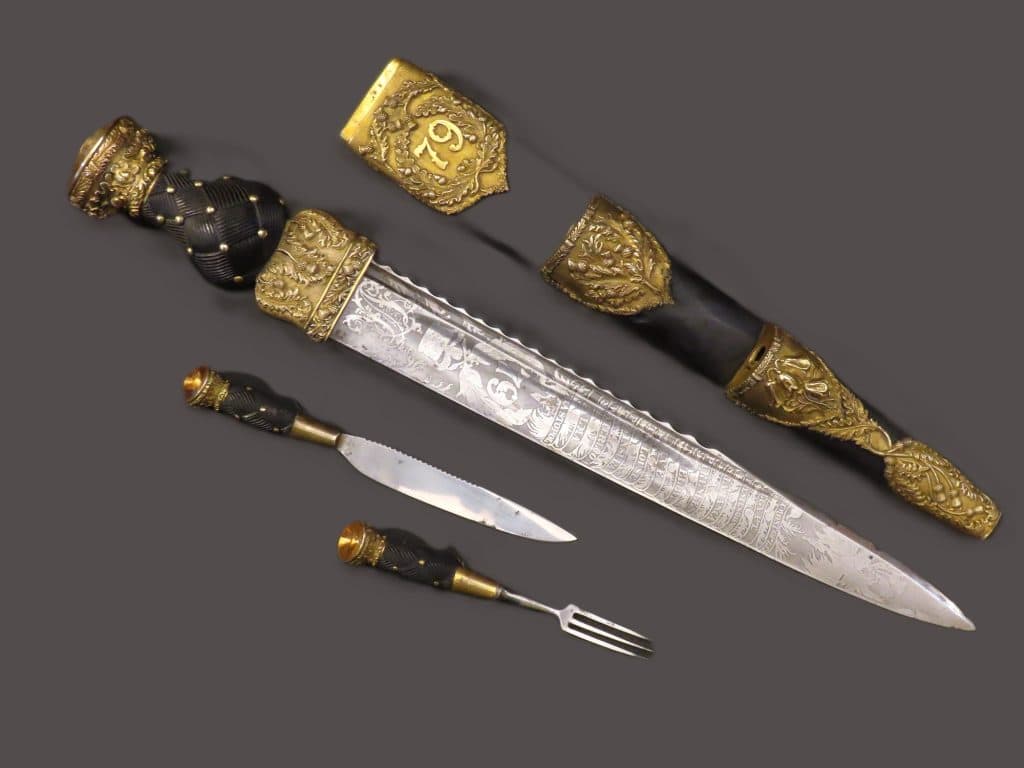
Very Fine Victorian Scottish Dirk for a 79th (Cameron) Highlanders Officer dating to between 1855 to 1881. A very fine and impressive Scottish Military Dirk made for an Officer in the 79th Regiment of Foot (Cameron Highlanders) between 1855 and 1871. The dirk is in excellent condition and of fine quality. The blade retains its original polish which highlights the etched and engraved regimental emblems, the VR cipher, battle honours and other Scottish military symbols. It is housed in its black wooden leather covered scabbard with its bi-knife and fork. The Ormolu bronze mounts retain all of the original detail. The baluster shaped grips of the dirk, bi-knife and fork are fashioned from black hardwood or ebony, carved with a pattern of basket weave with brass dome-headed studs mounted at the intersections. The raised ornate pommel tops are canted slightly forwards, and swollen at the rear, mounted with finely cut uniformly amber coloured  multifaceted Citrine pommel stones, with decorative rims featuring bands of thistles, acorns and foliage (thistles and to a lesser degree acorns are symbolic components of Scottish heraldry). The dirk grip base mount is decorated in the same manner. This mount is raised into a panel at the front enhanced with further decoration. The grip base behind this mount is carved with a Scottish military bonnet. The cone shaped grip bases of the bi-knife and fork are plain and mounted with blued sprung steel clips on either side to secure the grips into the scabbard pocket tops. The bi-knife blade has a scalloped back edge and is marked by the blade making business “John Sellers” which first appeared in the Sheffield Directories in 1833. The leaf shaped blade is 11 inches (28 cm) long and has a scalloped back edge under which a deep fuller extends towards the tip and terminates just after the scallop line ends. After this the blade is double edged to the tip. A wider fuller extends from the hilt along the middle of the blade to just before the end of the scalloped line. The dirk blade is profusely etched and engraved in the typical high-quality manner of the late Victorian era and retains its original polished finish. On the “point up” side, with the cutting edge facing to the right, the “VR” cipher with a crown above is present near the hilt. Above this the number of the regiment “79” is featured inside a laurel wreath. Above the wreath pennants mark 12  battle honours of the regiment interspersed with foliage. The oldest is the Battle of Egmontopzee fought in 1799 in the Anglo-Russian Helder Campaign and the most recent is the Siege of Sebastopol in the Crimean War in 1854-1855. Towards the tip the decoration features a flamboyant Scottish thistle. On the reverse side the blade base features the “VR” cipher, with a crown above, followed by a “79” inside a wreath similar to the same designs on the first side. Above the wreath a flamboyant Scottish thistle is present followed by a stand of arms centered with the Cross of St Andrew, surrounded with basket hilted swords, lances, muskets and banners. The area near the blade tip accommodates a panel of Scottish bluebells (harebells) which like thistles and acorns are symbols in Scottish heraldry and are the traditional plant badge for some clans. The dirk is housed in its wooden scabbard covered with black leather on top of which the scabbard mounts are applied. The mouthpiece to the front contains the regimental number 79 inside an oak and thistle leaf garland in raised relief. The bi-knife and chape mounts have thistle sprays and the bi-fork mount is of bluebells. The mounts at the back are plain and the back of the mouthpiece retains its raised bar suspension mount. The overall length of the dirk in its scabbard is just over 16.5 inches (just over 42 cm). The 79th or Cameron Highlanders was one of the most famous regiments of the British Army. The regiment was originally raised in 1793 as the 79th Regiment of Foot (Cameronian Volunteers) in the Highlands of Scotland and in 1804 was renamed the 79th Regiment of Foot (Cameron Highlanders). The regiment took part in many major engagements in the Napoleonic period including battles in Egypt, the Peninsula War and Waterloo. The thistles and acorns featured on the dirk are elements of the traditional arms of Clan Cameron. This dirk dates to the period shortly after the Siege of Sebastopol which lasted from 1854 to 1855 in the Crimean War. This is the last / latest battle honour depicted on the blade. In 1881, Childers Reforms to the British Infantry led to the regiment being renamed the 1st Battalion Queens Own Cameron Highlanders. Dirks made for the regiment were marked in this manner from then on. The regiment had embarked for the Crimea towards the end of the Crimean War in 1854 and completed its service there by participating in the end of the Siege and in the battles of Alma, Balaclava and the expedition to Kerch. Shortly after returning to the UK the regiment sailed to India to help suppress the Indian Mutiny and in 1858 took part in the Capture of Lucknow and the Battle of Bareilly. The dirk is not marked in its battle honours with this service in India which probably means the dirk had been made before this campaign took pace. The regiment returned to the UK in 1871. In 1873 Queen Victoria presented the regiment with new colours and directed that the regiment be known as the 79th Regiment, The Queen's Own Cameron Highlanders. The regimental number of 79 was dispensed with in 1881. Hence the dirk dates to the period between 1855 and 1881. Condition: The condition of the dirk is excellent with only minor wear to the Ormolu backs of the scabbard mounts caused by the rubbing of clothing when the dirk has been worn. The pommel stones are in excellent condition with no cracks, chips or interference to the mount housings. The grips are in fine order and the studs are complete as are the sprung retention clips for the bi-knife and fork.
  • Nation : ?
  • Local Price : 4,500.00
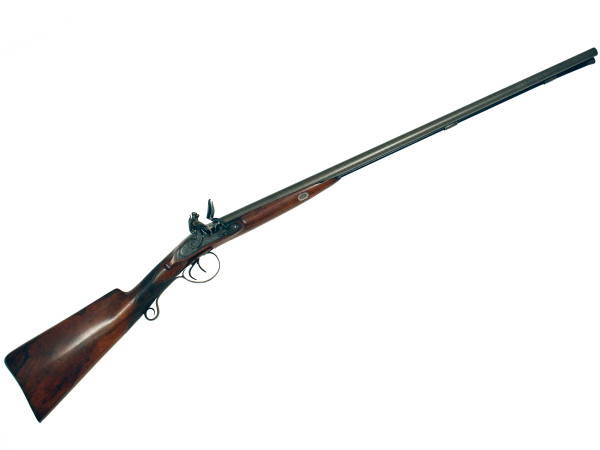
. A D.B. Flintlock Sporting Gun by Brasher of London. Expertly reconverted to flintlock. With sighted browned double barrels, engraved ‘JOHN BRASHER – CAROLINE STREET' with single platinum line breech block, profusely engraved tang cut with a sighting groove, stepped bevelled lock, signed beneath the pans, cocks engraved en suite, half-stocked in walnut cut with chequering at the grip, engraved steel mounts comprising butt plate, scrolling trigger guard, with brass tipped ramrod. BRASHER John Gun & Pistol Maker, Birmingham, 1807-31. Marked guns ‘LONDON'. Howard L. Blackmore (1986) Gunmakers Of London, 1350-1850. George Shumway Publisher. USA. Dimensions: Bore: Barrel Length: Overall Length:
  • Nation : British
  • Local Price : £4500
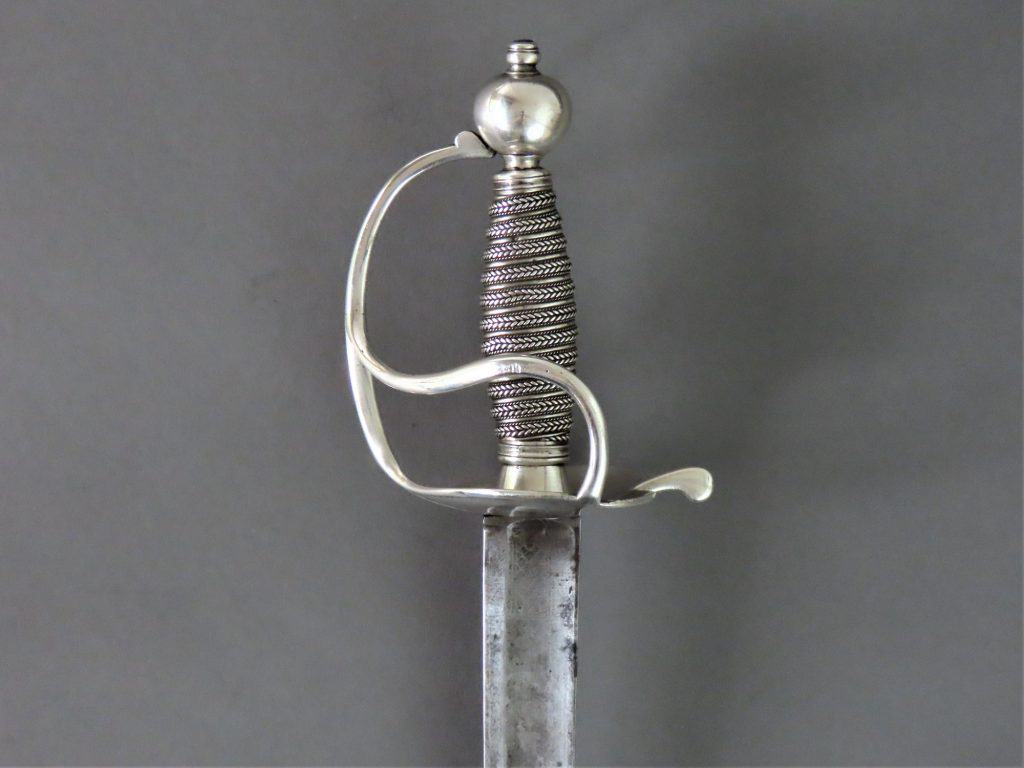
English Silver Hilted Officer’s Sabre by John Carman (II) of London with hallmarks for 1754 / 1755.. This fine officer’s sabre was once part of the Lattimer Collection and is published in Daniel D Hartzler “Silver Mounted Swords – The Lattimer Family Collection”, 2000, Josten's Printing Company, fig 130, page 68. An old collection reference number is painted in white on the blade near the hilt. See also the same sabre illustrated in Daniel D Hartzler, American Silver-Hilted and Early Federal Swords According to Their Geographical Areas of Mounting, Volume II, 2015, in the section on “Imported Swords”, fig 625, page 690. The hilt and curved fullered blade are of British mid-18th century individual proto-military / regulation type. The hilt is formed from a base made as a convex  heart shaped dish with a strengthened brim from which the knuckle bow rises to a swollen hook terminal which fixes into the pommel front. The knucklebow is supported by a single scrolling secondary guard bar which protects the outside of the right hand of the user. The globose pommel has an integral button on top and a pronounced neck beneath. The baluster shaped grip is covered with a decorous binding consisting of different thicknesses of straight and roped silver wire. The grip has a cone-shaped ferrule at its base. The dish guard has a wristguard with a swollen downward facing terminal. The knucklebow is clearly stamped with London hallmarks and the stamp of John Carman. The curved blade has a short ricasso and a broad central fuller extending for most of the blade length with a narrower fuller underneath the spine of the blade for almost the same length. The John Carman that made this hilt was the second cutler and silversmith of that name working in London in the first half of the 18th century. His father was the first who died in 1741. John Carman (II) was born in 1721 / 2 and was indentured to his father for seven years from 1736. He was sworn free by servitude of the Cutlers’ Company in 1743 and registered his first maker’s mark at Goldsmith’s Hall in London in 1748. John Carman (II) was a successful businessman and sword maker. He rose through the ranks of the Cutlers’ Company to become Master for 1761-2. He died in 1764. The length of the blade is 31.25 inches (79.5 cm). The overall length is: 37.25 inches (94.5 cm). The hilt of this sabre is somewhat similar in structure to a more complex and decorous silver spadroon hilt by the same maker hallmarked for 1755 / 1756 which sold at Bruneau Auctions in their sale of April 9th, 2022 lot, 82 (hammer price $10,000).
  • Nation : Japanese
  • Local Price : £4450
Click and use the code >24184 to search for this item on the dealer website Beautiful Antique Edo Period Wakizashi Samurai Short Sword, With a Fabulous Quality Botanical Shakudo Gold and Silver Takebori Mounts & Tsuba
  • Nation : British
  • Local Price : £4250
English Civil War Period Mortuary Sword Circa 1640-1660. An attractive English “Mortuary” sword with a pierced and chased hilt dating to the middle part of the 17th century and the English Civil War and Protectorate periods. The hilt is of typical form consisting of a broad boat-shaped guard plate from which three curved primary guard bars, the knuckle bow and two side guard bars, extend upwards ending in flattened angled terminals screwed through eyelets into the pommel with loop headed screws. Two downward facing secondary guard bars emanate from each side of the knuckle bow near its middle and join the base of each side guard bar to strengthen the structure. The guard plate is covered with chiselled decoration to the outside consisting of a roundel surrounding the tang aperture engraved with foliage. The roundel is surrounded by a band pierced and chiselled inside with wigged heads at each quarter separated by pierced designs of foliage and the heads of beasts. This is surrounded by a plain band. The upturned prow of the guard plate is chiselled with scales. The secondary guard bars to the front are chiselled with simple linear features to the middles. The pommel is globular in shape and has an integral button on top and a  pronounced flared neck beneath. It is also chiselled with four wigged heads separated by foliate panels. The spirally grooved wooden grip is wrapped with different thicknesses of twisted steel wire and has steel woven “Turks’ Heads mounted top and bottom. The grip base sits on an iron flanged plug mounted onto the inside of the guard plate from which two langets extend through the tang aperture to flank the blade either side for a short distance from the hilt. The single-edged blade has a pronounced ricasso extending for 1.5 inches (4 cm)  from the hilt. At the front a deep narrow fuller runs from the hilt underneath the blunt edge of the ricasso on the cutting side of the blade. At the back a fuller runs from the hilt underneath the spine of the blade to a distance of 7 inches (18 cm) from the tip after which the blade is double edged. A further broad shallow fuller runs from the end of the ricasso along the middle of the blade to its tip. A Blade Maker's stamp of a crown over a crest is applied to one side of the blade in the ricasso. A short distance from the ricasso two counter facing orb and cross marks are applied inside the shallow middle fuller. Between these stamped at the diagonal in capital letters is “CLEMENS” with “SOLIGEN” beneath and “MEFECIT” with “SOLIGEN” beneath enhanced by scrolled engraving.  Clearly the blade was made in Solingen by a bladesmith called Clemens. Solingen in Germany was an important manufacturer of blades for use in the English Civil War and huge numbers were imported into Britain during this period for use by both Royalist and Parliamentarian sides. The blade is 32.75 inches long (83 cm) and overall the sword is 39 inches (99 cm) long. For further examples of Mortuary swords see Stuart C Mowbray's “British Military Swords”, Mowbray Publishing, 2013, in the section dedicated to Mortuary Swords, pages 178 to 225. And see Cyril Mazansky, British Basket Hilted Swords, Boydell Press 2005, Chapter 11, pages 233 to 280. The sword is in good original condition overall with some light “salt and pepper” pitting to the blade. The hilt is firm and in good shape with a couple of small minor cracks and slight damage to one of the pommel screws and one of the eyelets.
  • Nation : British
  • Local Price : £4250
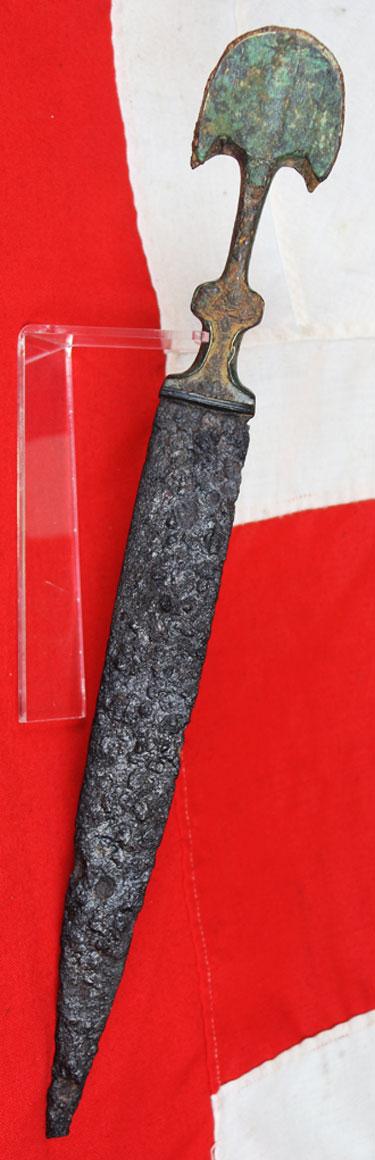
Click and use the code >25355 to search for this item on the dealer website Wonderful, Museum Piece. A Rare, Ancient Bronze and Iron Incredibly Long, High Status, Combat Cavalry Sword. 36 Inches Long. A Finely Engraved ´Eared´ Bronze Hilt With a Long Iron Back Sword Blade. Around 3200 Years Old
  • Nation : British
  • Local Price : £4,250.00
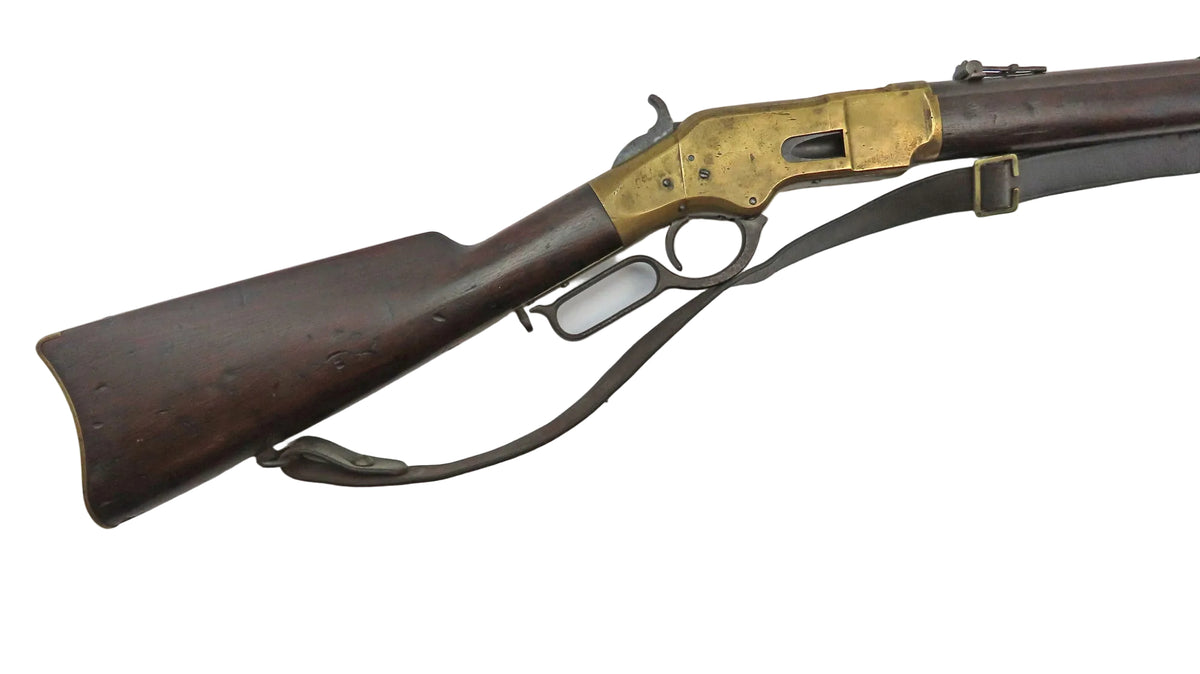
Winchester 3rd Model 1866 Brass Framed Musket. Ref X3538. A Winchester 3rd Model 1866 Brass Framed Musket. 46&157; overall, 27&157; round .44 cal. barrel with blade fore sight, ladder rear sight, barrel engraved ´Winchester Repeating Arms New Haven. CT. King´s Improvement patented March 29.1866 October 16.1860´. 24&157; magazine tube, brass action, hammer with cross hatched top, steel underlever, numbered on the tang 50463. Crescent shaped brass butt plate, with cleaning rod trap & cleaning rod, oiled walnut stock and fore-end with 3 barrel bands, sling swivels & contemporary leather sling. Circa 1870.&194;&160; &194;&160; &194;&160; &194;&160; &194;&160; &194;&160; &194;&160; &194;&160; &194;&160; &194;&160; &194;&160; &194;&160; &194;&160; &194;&160; &194;&160; &194;&160; &194;&160; &194;&160; &194;&160; &194;&160; &194;&160; &194;&160; &194;&160; &194;&160; &194;&160; &194;&160; &194;&160; &194;&160; &194;&160; &194;&160; &194;&160; &194;&160; &194;&160; &194;&160; &194;&160; &194;&160; &194;&160; &194;&160; &194;&160; &194;&160; &194;&160;&194;&160; An uncommon rifle in good condition. Images courtesy of West Street Antiques (https://antiquearmsandarmour.com/)
  • Nation : Austrian
  • Local Price : £4250
Click and use the code >25313 to search for this item on the dealer website Fine French Consular Period Sabre of A Cavalry Officer, With ´Marengo´ Hilt. A Sabre D´Officier De Cavalrie Legere, By Repute, Said To Be The Privilege of Officer´s To Wear That Served At the Battle Of Marengo, Personally, With Nap
  • Nation : British
  • Local Price : £4,250.00
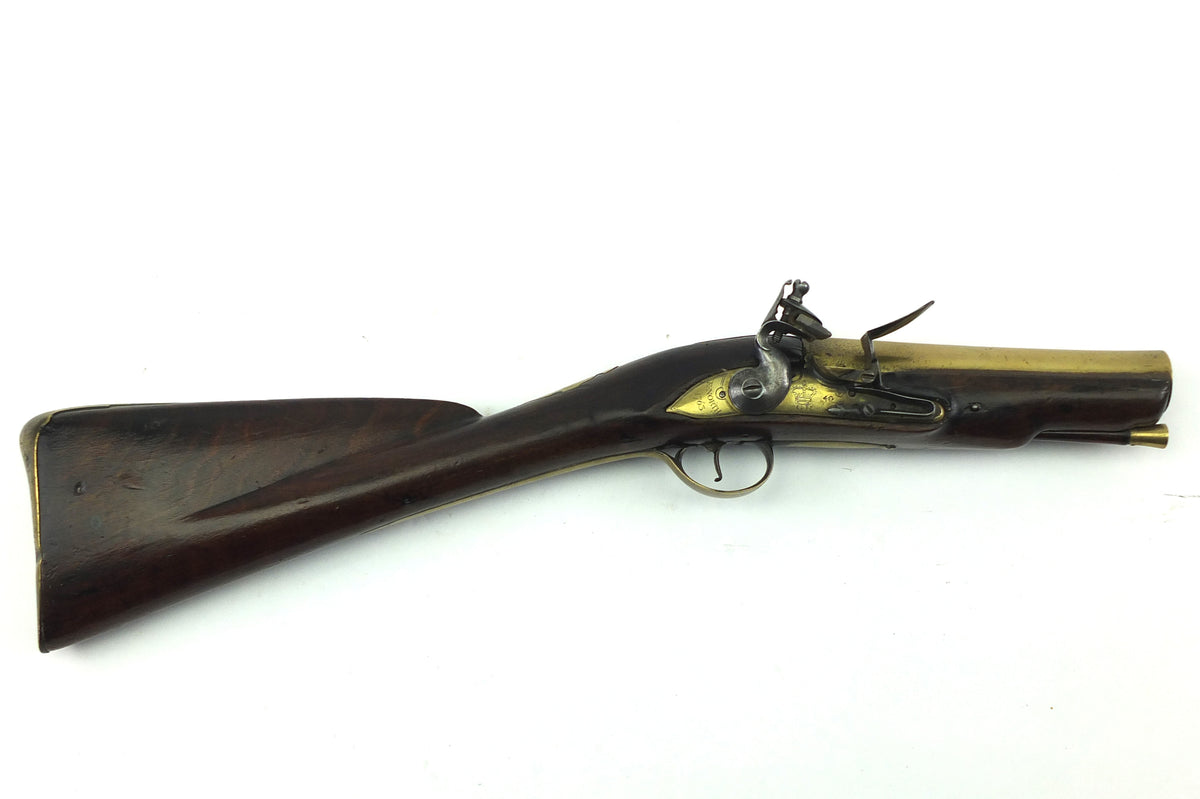
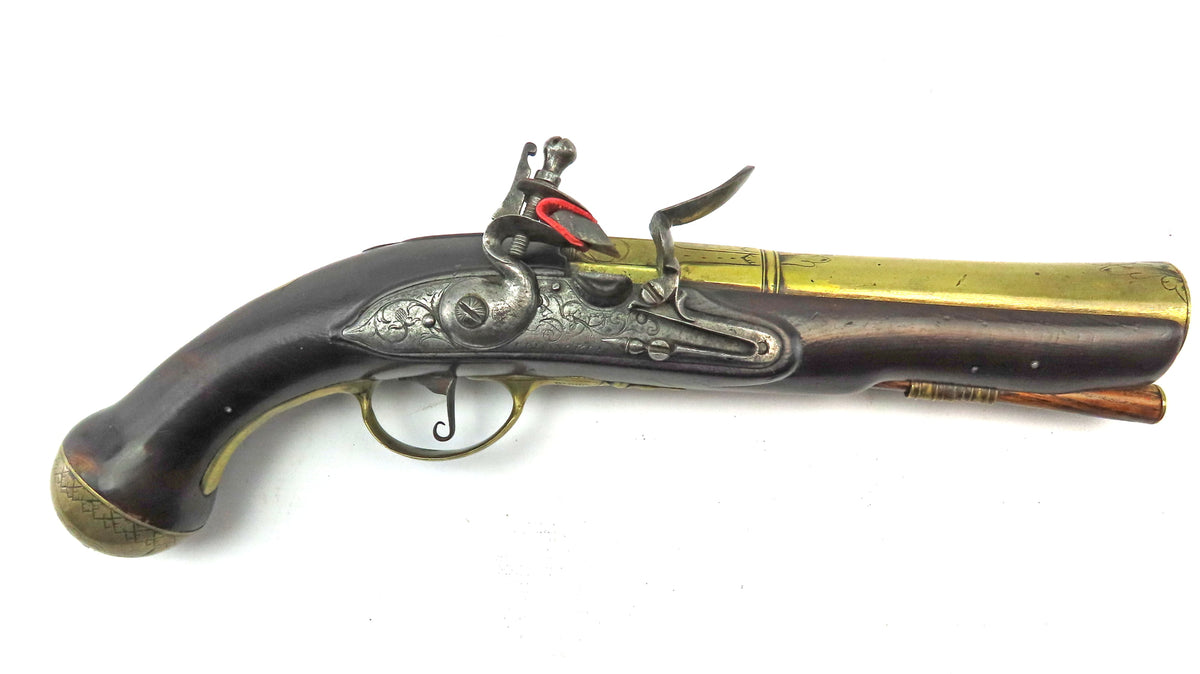
Naval Flintlock Flare Gun by North, Rare. SN X3061. A Rare Naval Flintlock Flare Gun by North. 23&157; overall, 7 1/2&157; round brass 1 &194;&188;&157; bore barrel, engraved ´Royal Exchange London´ with London Proofs & Foreigners mark. Brass rounded 1755 pattern lock plate with Crown GR & inspector´s mark, ´E. North 1763´ on tail, stamped internally with Crown over ´2´ &194;&160;inspector´s mark and ´VII´ on lock edge, main spring & sear. Swan neck cock & brass pan. Walnut full stock with hand rail butt, with ordnance pattern brass mounts comprising brass trigger guard, butt plate & wrist escutcheon. Brass tipped ramrod. Dated 1763&194;&160; &194;&160; &194;&160; &194;&160; &194;&160; &194;&160; &194;&160; &194;&160; &194;&160; &194;&160; &194;&160; &194;&160; &194;&160; &194;&160; &194;&160; &194;&160; &194;&160; &194;&160; &194;&160; &194;&160; &194;&160; &194;&160; &194;&160; &194;&160; &194;&160; &194;&160; &194;&160; &194;&160; &194;&160; &194;&160; &194;&160; &194;&160; &194;&160; &194;&160; &194;&160; &194;&160; &194;&160; &194;&160; &194;&160; &194;&160; &194;&160; &194;&160; &194;&160; &194;&160; &194;&160; &194;&160; &194;&160; &194;&160; &194;&160; &194;&160; &194;&160; &194;&160; &194;&160; &194;&160; &194;&160; &194;&160; &194;&160; &194;&160; &194;&160; &194;&160; &194;&160; &194;&160; Very rare, never seen another, Ordnance Pattern brass locks are extremely rare. Edward North II apprenticed to his father 1754, & free of Gunmakers Co 1761,Lt in HAC, maker to Hudson Bay Company. Images courtesy of West Street Antiques (https://antiquearmsandarmour.com/)
  • Nation : British
  • Local Price : £4250
Mid 18th Century British Dragoon Basket Hilted Sword with a “G R” Cypher on the blade by HARVEY. An impressive example of a horseman's basket hilted back sword made for an Officer, or Trooper, of a North British / Scottish Regiment of Dragoons towards the middle and third quarter of the 18th century. These swords were issued by the Board of Ordnance and were manufactured in the Scottish manner. The type was first issued in the second quarter of the 18th century and used during the Jacobite Rebellion of 1745, Britain's wars in Europe and the French Indian War in North America and the American Revolutionary War. The blade is of fine quality stamped “HARVEY” and incised with the royal Cypher of King George II or III. The sword is a rare survivor, well preserved and in undamaged condition, as is visible in the photographs. The fully formed basket is pierced with hearts and circles in the main front and side panel guards which are also finely fretted at the edges with chevrons and merlons. One of the more usual frontal guard plates has been replaced in the hilt design with an oval ring in the “horseman” fashion. The arms of the guard are forged onto a circle of iron into which the base of the bun shaped pommel sits. The pronounced button is integral with the pommel and not of separate manufacture. The original spirally fluted grip is of hardwood with a shagreen cover, and retains its twisted brass wire binding. The hilt retains its leather buff coloured liner. The imposing fine quality tapering blade is just under 36 inches long (just over 91 cm) and made by HARVEY of Birmingham, a noted contractor to the British Board of Ordnance at the time, and typical of this heavy blade type. The blade is intended mainly for striking downwards at opposing infantry soldiers and cavalry with great force and reach. The blade has a thick spine and is double edged for the last 13 inches (33 cm) towards the point after the fuller terminates and the back edge has been sharpened to the tip. It has a short ricasso from which three conjoined broad fullers extend along the blade for an inch from the hilt (2.5 cm). A broad fuller commences 5 inches (13 cm) from the blade and tapers to the tip.  From the same place a narrower deeper fuller runs underneath the spine on both sides until the blade becomes double edged. The space between the two sets of fullers is engraved on both sides with the “G R” Cypher with crown above, and “HARVEY” beneath. Although many swords of this type survive with blades of shorter length, the majority of these have been shortened during their working lives. This blade retains its original length. Overall the sword is in fine condition. For a further example of this sword type see Cyril Mazansky, British Basket-Hilted Swords, Boydell Press / Royal Armouries, 2005, plate F1e page 97, for a sword in the National Museums of Scotland, collection reference LA33.
  • Nation : British
  • Local Price : £4000
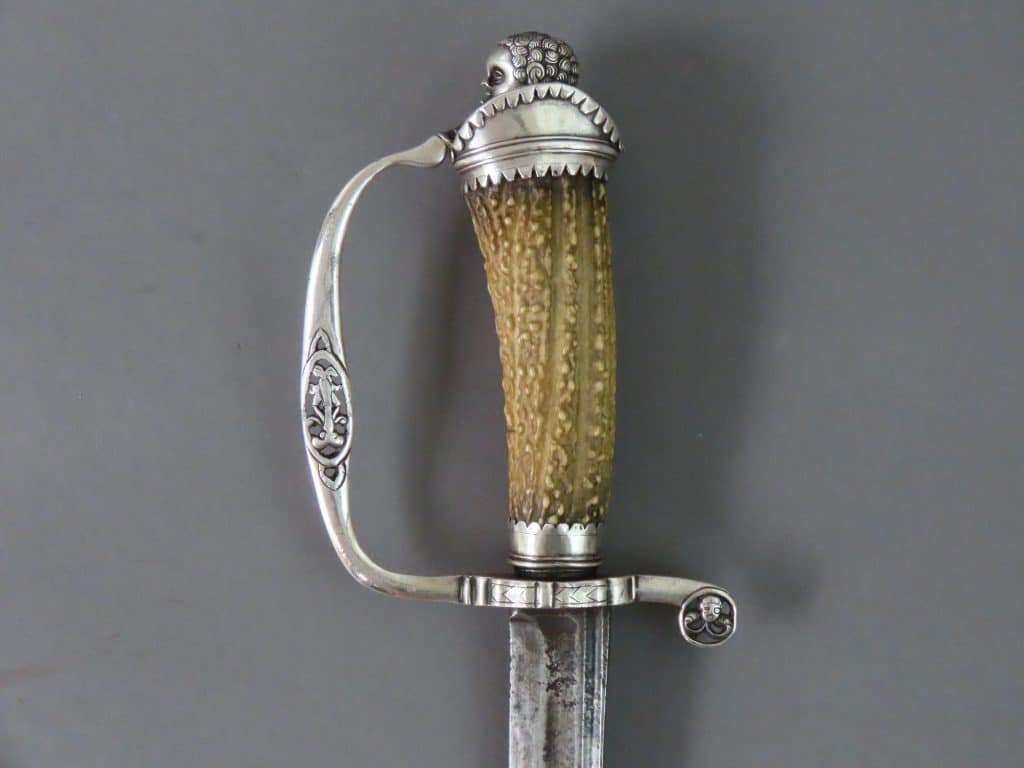
Late 17th century Silver Mounted Hanger by Thomas Vicaridge of London with slave trade associations. An important hanger by the accomplished cutler and silversmith Thomas Vicaridge of London. The hanger is distinctive because of its blackamoor head pommel which means the hanger probably has slave trade associations. The hanger is featured in Howard L Blackmore, “The blackamoor swords”, Royal Armouries Yearbook, Volume 3, 1998, pages 74 and 75, Figs 14a and b. In the late 17th and early 18th centuries when swords were a popular weapon for gentlemen, hangers were a robust secondary side arm used for self-defence when hunting and travelling. They were also used in parts of the British Army and Navy. Hangers appear in some military portraits of the time. The high quality hanger described here was a gentleman's weapon. The knuckle bow is stamped with Thomas Vicaridge's first pre-Britannia maker's mark of “T V” in raised relief inside a shield, with a three point crown above and a pellet below, which dates the hanger to 1682 to 1697. Vicaridge lived in exciting times as London was remodelled in the decades after the turbulence of the Civil War period, the Great Plague of 1665 and the Great Fire of 1666. The city was more outward looking, international trade was growing, military success was being achieved abroad and more interest and investment was being expressed in art and culture. Vicaridge was one of the leading craftsmen of his day and the quality of his work represents the styles and fashions of late 17th and early 18th century Baroque London. The hilt is comprised of a bold faceted quillon block with a downward facing flattened circular rear quillon pierced and chased with a cherub's head on top of a double scroll. The knuckle bow is of flattened oval section and swollen in the middle where it is pierced with a foliate panel inside a cartouche on each side. The pommel cap is scalloped around its folded edge which envelopes the natural stag antler grip with its pronounced “V” shaped groove on top. The pronounced blackamoor head sits prominently in this groove protected by its sides. The terminal of the knuckle bow is fixed into the pommel rim with the tip placed into the mouth of the blackamoor to emulate the playing of a musical instrument. The grip has a silver ferrule at its base with a scalloped edge. Thomas Vicaridge completed his apprenticeship with Joseph Jones, a London Cutler, on 25th April 1682 when he was sworn “Free” upon completion of his term of servitude at a well-attended meeting at Cutler's Hall. Until 1697, along with other silversmiths, Vicaridge used his own mark as described above and stamped it onto this sword. Two examples of this mark are struck onto a copper plate still preserved at Goldsmith's Hall in London. In 1697, with the advent of the Higher, or “Britannia”, Standard for silver, smiths were required to record a new punch mark bearing the first two initials of their surnames. As a result, Vicaridge recorded the mark “VI” with a crown above and pellet below inside a shield. This mark was used from 1697 onwards until his death in 1715. Only a few surviving edged weapons by this maker are known and all are of high quality. The slightly curved single edged blade is 20 inches long (51 cm) and is forged with a short ricasso and a wide shallow central fuller which extends from the hilt almost to the pointed tip on both sides. A narrower, deeper fuller runs from the hilt underneath the blunt back edge for four fifths of the blade length after which it is double edged for the remainder of its length to the tip. The sword is in good condition and has survived the centuries well. The hilt has retained its attractive shape and contours. There is some wear to the blade which has a consistent layer of light pitting. There are two stamps both on one side of the knuckle bow. One is located underneath the central cartouche and is discernible whilst the remains of the other located above the cartouche is just realisable but only in light of examination of the first. Swords and other valuable ornaments were produced featuring blackamoor heads as exotic adornments for European nobility for centuries before our hanger was made by Vicaridge. In his paper published in 1998 Howard L Blackmore explored the subject of “The blackamoor swords”. In the last part of this study he describes four English silver hilted hangers of the late 17th century with blackamoor heads which he thought at the time was the entire known population. He describes these as the “last of their kind” at a time when the blackamoor had lost much of its mystical appeal and after which it did not appear again in the same manner as it did in the past. By the end of the 17th century black Africans were reduced to being perceived more as slaves and trade cargo. In his conclusion he suggests in explanation for the swords that they may have been made for members of a secret society or bizarre club in London that used the blackamoor head as its emblem. This is unlikely. Figure 15 illustrated by Blackmore shows a sword by Thomas Vicaridge which he dates to around 1700. Significantly the middle of the knuckle guard has a royal bust with a crown above which undoubtedly represents an English monarch. This is not a one-off. A similar bust appears on another sword by Thomas Vicaridge with a blackamoor head pommel recently sold through our business. There were probably many more made which have not survived. The link between the royal bust and the blackamoor head should be explored further. The ruling monarchs of England held a monopoly on the British slave trade through the Royal African Company that lasted from 1660 to 1698. Vicaridge's mark on the sword we recently sold dates to 1682 to 1697. Blackmore dates his Figure 15 to “about 1700” indicating that the date is uncertain.  The hanger is described as in a private collection and is not available for examination. It is probable that both hangers were worn as symbols by employees and others to affirm their association with the Company, engaged because of the Crown's involvement in the slave trade, either before or after the monopoly was opened up, and English merchants were allowed access to this business. The bust together with the blackamoor pommel seems sufficient to establish a connection between both these hangers and royal patronage of the slave trade. Subsequently is follows that hilts mounted with the blackamoor heads and not stamped with the royal busts have the same association. The sword featured here is illustrated in Figure 14a and b by Blackmore. However, there are errors in his description. Blackmore dates the sword by its hallmarks to 1702 yet none are present and he does not acknowledge the presence of Vicaridge's pre-Britannia stamp on the knucklebow. Of the four “blackamoor” hangers in Blackmore's paper three are complete and one is a detached grip. So five hilts of this type are now known. Blackmore assumed that the swords may not have all been made by Vicaridge. However, of the population of five, three are known to be by Vicaridge. The marks on the other two are probably too worn to identify a maker or have not been examined well enough. However, the workmanship involved in these two hilts is so similar to the other three blackamoor swords by Vicaridge, and other surviving swords by Vicaridge with more usual pommels, that we can reasonably assume he made all of the blackamoor pommel silver hilted hangers. Some of these other surviving hangers with more usual pommels are discussed in a paper by Leslie Southwick published in the Royal Armouries Yearbook (Volume 5 in 2000) alongside other swords by Vicaridge. The styles of grip, ferrules, guards and quillon terminals are notably similar to the blackamoor pommel group. Taking into account all of the above, production of these blackamoor pommel hangers can be tied to a short time period at the very end of the 17th century and it would seem that Vicaridge alone was specifically commissioned to make these hangers for reasons and by people now unknown who were associated with the slave trade.
  • Nation : British
  • Local Price : £3,995.00
Rare 17th Century Flintlock Blunderbuss by Blanckle. Ref 9267. A Fine Rare 17th Century Flintlock Blunderbuss by Blanckle. 15&157; overall, 7 3/8&157; two stage copper alloy barrel engraved with acanthus at the flared muzzle & in front of the turned girdle, border engraved octagonal breech becoming polygonal, signed in capitals &194;&160;´I. Blanckle´ along the top flat & decorated with strawberry foliage, a line of wrigglework at the rear, & struck with London proof marks & barrelsmith´s mark, probably of John Blanckle, foliate engraved tang , border engraved rounded lock signed in capitals & decorated with strawberry foliage issuing from the mouth of a male profile head, engraved cock. Walnut moulded figured full stock with drop shaped apron around the barrel tang, copper alloy mounts comprising pierced foliate scroll side plate engraved with beadwork, escutcheon engraved with a male portrait bust wearing a cap against a finely dotted ground, rounded pommel cap engraved with a flower head centred on the retaining screw & with a border of repeated foliage, trigger guard with pointed finial & engraved with scrolling foliage issuing from the mouth of a monster head, baluster ramrod pipe, later capped wooden ramrod. Late 17th century.&194;&160; &194;&160; &194;&160; &194;&160; &194;&160; &194;&160; &194;&160; &194;&160; &194;&160; &194;&160; &194;&160; &194;&160; &194;&160; &194;&160; &194;&160; &194;&160; &194;&160; &194;&160; &194;&160; &194;&160; &194;&160; &194;&160; &194;&160; &194;&160; &194;&160; &194;&160; &194;&160; &194;&160; &194;&160; &194;&160; &194;&160; &194;&160; &194;&160; &194;&160; &194;&160; &194;&160; &194;&160; &194;&160;&194;&160; Blunderbuss of this age are very rare, this example restocked with a later side plate & replaced mainspring, John Blanckle (also Blanckley, Blanckly and Blankley) was apprenticed to Thomas Towle and turned over to Thomas Cox in 1699. He was free of the London Gunmakers´ Company in 1677. He was Contractor to Ordnance between 1682 and 1700, the year of his death.&194;&160;&194;&160;&194;&160;&194;&160;&194;&160;&194;&160;&194;&160;&194;&160;&194;&160;&194;&160;&194;&160;&194;&160;&194;&160;&194;&160;&194;&160;&194;&160;&194;&160;&194;&160;&194;&160;&194;&160;&194;&160;&194;&160;&194;&160;&194;&160;&194;&160;&194;&160;&194;&160;&194;&160;&194;&160;&194;&160;&194;&160;&194;&160;&194;&160;&194;&160;&194;&160;&194;&160;&194;&160;&194;&160;&194;&160;&194;&160;&194;&160;&194;&160;&194;&160;&194;&160;&194;&160;&194;&160;&194;&160;&194;&160;&194;&160;&194;&160;&194;&160;&194;&160;&194;&160;&194;&160;&194;&160;&194;&160;&194;&160;&194;&160;&194;&160;&194;&160;&194;&160;&194;&160;&194;&160;&194;&160;&194;&160;&194;&160;&194;&160;&194;&160;&194;&160;&194;&160;&194;&160;&194;&160;&194;&160;&194;&160;&194;&160;&194;&160;&194;&160;&194;&160;&194;&160;&194;&160;&194;&160;&194;&160;&194;&160;&194;&160;&194;&160;&194;&160;&194;&160;&194;&160;&194;&160;&194;&160;&194;&160;&194;&160;&194;&160;&194;&160;&194;&160;&194;&160;&194;&160;&194;&160;&194;&160;&194;&160;&194;&160;&194;&160;&194;&160;&194;&160;&194;&160;&194;&160;&194;&160;&194;&160;&194;&160;&194;&160;&194;&160;&194;&160;&194;&160;&194;&160;&194;&160;&194;&160;&194;&160;&194;&160;&194;&160;&194;&160;&194;&160;&194;&160;&194;&160;&194;&160;&194;&160;&194;&160; &194;&160; &194;&160; Provenance Professor David Weaver Collection.&194;&160; &194;&160; &194;&160; &194;&160; &194;&160; &194;&160; &194;&160; &194;&160; &194;&160; &194;&160; &194;&160; &194;&160; &194;&160; &194;&160; Images courtesy of West Street Antiques (https://antiquearmsandarmour.com/)
  • Nation : British
  • Local Price : £3,995.00
1788 Heavy Cavalry Officers Sword. Ref X3622. A 1788 Heavy Cavalry Officers Sword. 42&157; overall, 34 &194;&188;&157; straight blade with single wide fuller with spear point, Crown over ´4´ inspectors mark. Back edge very faintly engraved ´JJ Runkel Solingen´.&194;&160; Steel basket hilt with reeded knuckle bow, slotted stool with&194;&160; 3 pairs of interconnected side bars, large ovoid pommel, triple silver wire bound fish skin covered grip. In its original wooden leather and steel scabbard with frog hook. Circa 1790&194;&160;&194;&160; In good condition, some old staining to blade, Runkle signature worn off, rare to still have its scabbard. See ´The British Cavalry Sword 1788-1912´ by R. Dellar page 22 & 24 for a similar example. &194;&160; Images courtesy of West Street Antiques (https://antiquearmsandarmour.com/)
  • Nation : American
  • Local Price : $3995.00
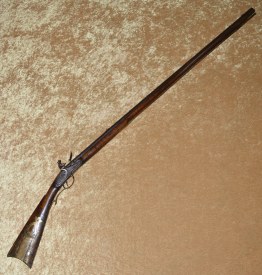
Flintlock Kentucky Long Rifle, ca. 1830. Featuring unmarked 40 7/8” (103.8 cm) octagonal barrel of approximately .44 caliber, with fixed iron rear notch sight and inlaid brass front blade sight. Original flintlock mechanism with unmarked flat lockplate and swan neck cock. Tiger stripe maple full stock (section of fore stock expertly repaired), with brass mounts, including decorative engraved patch box cover, trigger guard, butt cap, side plate, fore end cap, and three ramrod thimbles; wood ramrod. Very good condition, the barrel with pitting and dark rust patina, stock with lovely dark patina, and brass mounts with pleasing brownish gold patina. Overall length 56 1/4” (142.9 cm). Beautiful classic piece to hang over the fireplace.
  • Nation : British
  • Local Price : £3950
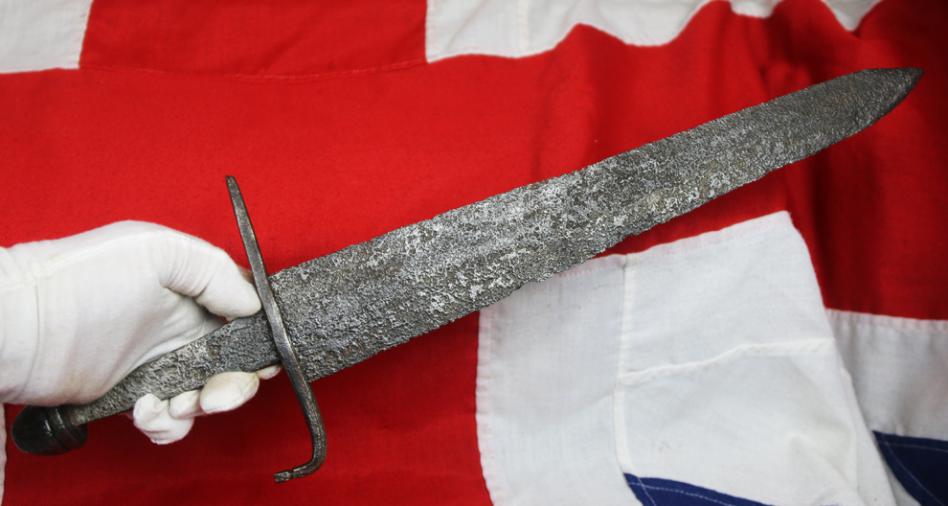
Click and use the code >23523 to search for this item on the dealer website Fine & Rare Medieval Short Sword, 15th Century, Used in the Battle of Agincourt 1415 Period, The Weapon of A Man-At Arms, Or Foot Knight of The Anglo French Wars Era of King Henry Vth
  • Nation : ?
  • Local Price : 3,950.00
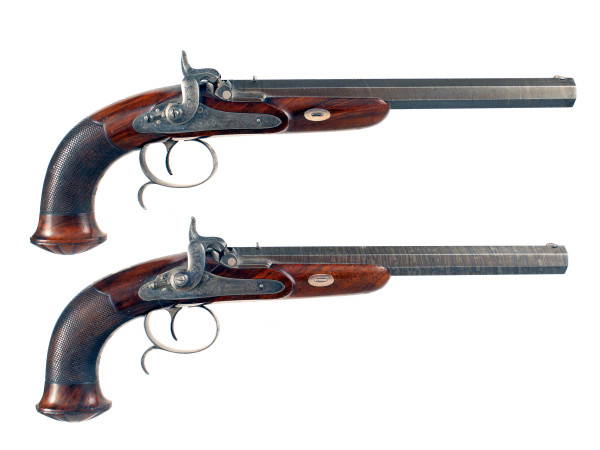
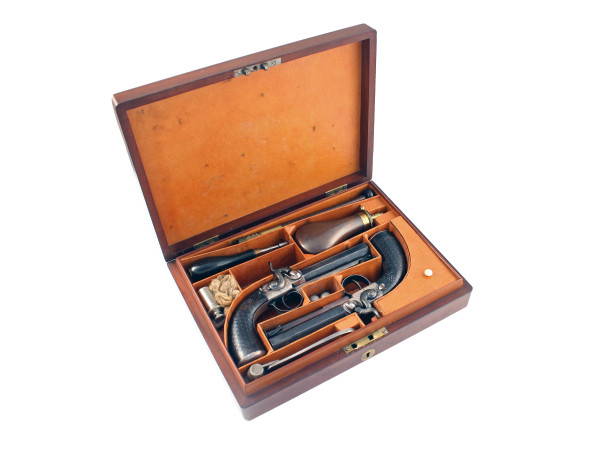
. An Unusual Cased Pair Of 18-Bore Percussion Box-Lock Belt Pistols Retailed By Salmond, Perth, Mid-19th Century. With blued octagonal sighted barrels each engraved around the muzzle and signed along the top flat, silvered breeches and actions decorated with foliate scrollwork, dolphin hammers (one spur repaired) en suite, safety-catches, border engraved trigger-guards retaining some blueing and decorated with foliate scrollwork, unusually chequered figured rounded butts highlighted with silver pins and decorated with silver piqué foliage, silvered border engraved butt-caps each with hinged circular trap cover engraved with a flower-head, belt hooks, one retaining some original blueing, vacant silver escutcheons, silvered under-ribs, stirrup ramrods each with tip engraved with a flower-head, and retaining much of their original finish: in original mahogany case lined in tooled pigskin with accessories including Sykes patent powder-flask retaining much of its lacquered finish, the exterior of the lid with circular brass escutcheon engraved ‘J.A. From W.H.A.', Birmingham proof marks Dimension: Bore: 16 Bore Barrel Length: 4 Inches (10.16 cm) Overall Length: 9.5 Inches (24.13 cm)
  • Nation : Persian
  • Local Price : £3950
Click and use the code >23515 to search for this item on the dealer website Fabulous Bronze and Iron Archemeanid Empire Sword From the Time of the Greco-Persian Wars of Xerxes the Great Against the Spartans at Thermopylae. The Very Type of Sword Actually Used As Depicted in The Movie 300 Spartans
  • Nation : Japanese
  • Local Price : £3950
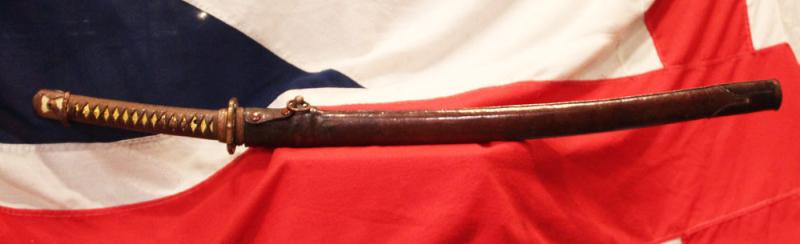
Click and use the code >25370 to search for this item on the dealer website Superb, Gendaito, Japanese Traditionally Hand Made Officer´s Katana By A Famous Gendaito Sword Maker, & Signed Ichihara Ichiryushi Nagamitsu, With His Kakihan, and Silver Clan Kamon Of the Fujii
  • Nation : Russian
  • Local Price : £3950
Click and use the code >25444 to search for this item on the dealer website Rare, Absolutely Stunning 1st Empire, Combat, ´Blue. & Gilt´ Officer´s Sabre of the Legere, Hussards, & Mounted Chasseurs. The Year IX, Circa 1810, Sabre Used by Officers of the Mounted Chasseurs of the Imperial Guard
  • Nation : British
  • Local Price : £3,950.00
Royal Victorian General Officers Sword – Prince Arthur. Royal Victorian General Officers Sword belonging to Prince Arthur. Arthur William Patrick Albert was Queen Victoria favourite son and became Duke of Connaught and Strathearn in 1874. He entered the Royal Military Academy, Woolwich, in 1866 and did well in the army, becoming full general in 1893 and field marshal in 1902. He served in Egypt in 1882, commanding the 1st Guards Brigade at Tel el Kebir. The Sword Levee pattern with flat solid blade, etching includes monogram AWP below the coronet for a younger son and brother of a blood royal – Fairbains Crests – to the reverse is the royal garter with same crown above plus VR in a shield. By Wilkinson Sword London number 19350 and complete with matching brass scabbard.
  • Nation : British
  • Local Price : £3950
Rare English “Mortuary” sword, dating to the middle part of the 17th century. A rare English “Mortuary” sword, dating to the middle to third quarter parts of the 17th century and the English Civil War, Commonwealth, Protectorate and Restoration periods. The sword is a rare hybrid type with hilt features common to both contemporary English Mortuary and Walloon swords. The hilt is of typical “Mortuary” form consisting of a broad saucer-shaped guard plate from which three main curved guard bars taper upwards ending with flattened angled terminals screwed into the pommel to secure the structure. The wide back edge of the plate is tightly scrolled downwards to create a wrist guard. The grip sits on top of a flanged plug inside the guard beneath which two short langets extend through the base to secure the blade at the ricasso on either side. Whilst of “Mortuary” type, the hilt differs from the usual form. The guard plate is chiselled on the outside with the outline of two clams, one on either side of the blade, which emulate the side guard plates of English contemporary “Walloon” swords. The insides of these areas are pierced with regular patterns of diamond, circle, and figure of eight shapes, similar to the piercings in the plates of Walloon swords. The oval panel to the front of the guard plate at the base of the knuckle bow is an extension of the plate which is also pierced in the “Walloon” manner. The guard bars are narrower but thicker than the usual flat bars of mortuary hilts. The two secondary guard bars which emit downwards from the knuckle bow either side terminate in pronounced curls which fall short of reaching the side guard bars to which they are usually fixed. Instead, the bars are joined together, and the bottom bar is joined to the plate below. The upper bar is extended to create a crescent which is fixed onto the side guard bar to secure the front and side structures. The middles of the side guard bars are swollen and bisected to create knops and whilst this feature is common, but not exclusive to English Walloon swords, it is not common on mortuary hilts. The curved rear secondary guard bars which extend downwards from the side bars to the plate near the wrist guard terminate in pronounced curls like the secondary bar terminals which emit from the front knuckle bow. The onion shaped pommel is smoothly multifaceted and has an integral button on top and a pronounced flared neck beneath with a collar. It sits on top of a baluster shaped grip with iron ferrules top and bottom bound with wire. The broad, plain, double-edged, tapering blade is imposing and of robust form. It has a short ricasso. The blade was probably made in one of the German blade making centres such as Solingen. Huge numbers of blades were imported into Britain during the Civil War period from Europe to fulfill demand for swords on both Royalist and Parliamentarian sides. Two swords described as mortuary swords, very similar in form to our sword, are illustrated in Cyril Mazansky’s “British Basket Hilted Swords”, Boydell Press 2005, on pages 245 and 246. One is in the Kienbusch Collection, Philadelphia Museum of Art, Reference 1977-167-621, and the other sold through  Christies London, lot 54, 7th May 1981. Other Mortuaries with similar secondary guard arrangements are featured on pages 250 and 263. Contemporary English swords of definite Walloon type which display similar features are illustrated in Mazansky on pages 282, 283 and 284, mounted with typical teardrop wrist guards etc. Provenance: John Hardy Collection. Measurements: 34.5 inch blade (87.5 cm), 40.75 inches overall length (103.5 cm). The blade is just over 1.75 inches wide at the hilt 4.75 cm
  • Nation : Spanish
  • Local Price : $7,500.00 CAD
SPANISH CONQUISTADOR CUP HILT RAPIER. SPANISH CONQUISTADOR CUP HILT RAPIER: Circa 1650-1700. Long Flamberge blade 38”, 7/8” wide. “IN SOLINGEN” is engraved in each fuller, with an “S” at the end of each fuller. The “S” is another Solingen mark. The cup hilt is of particular interest as the design on the outward half of the cup is chiseled with an INCA / AZTEC influence. This design unquestionably has the sword connected to the New World (the Americas). The voided areas along the edge and upper portion of the guard are very nicely done. The entire hilt style is of a classic Spanish style and in exceptional condition. This is an extremely rare and important piece. $7,500.00
  • Nation : British
  • Local Price : £3900
Scarce Royal Horse Guards Basket Hilted Back Sword circa 1750 to 1780. A fine example of a British Horseman’s Basket Hilted Back Sword made for an officer in The Royal Horse Guards as is evidenced by the subjects in surviving contemporary portraits of officers in that regiment. Whilst the hilt type is distinctive in terms of its stylistic features, a further aspect which is not conveyed by the photographs featured below, is its large size. The hilt type is one of a group of surviving swords with similar distinctive hilts which was once an Ordnance Pattern at the higher end of the quality range for British military swords. Its issue coincided with the outbreak of the Seven Years War in Europe (1756 to 1763). Simultaneously this conflict also spread to North America where it is referred to as the French and Indian War fought there between Britain and France. The sword type would have seen service in both theatres and most likely in the American Revolutionary War (1775 to 1783). The basket guard is particularly well constructed from thick robust iron bars.  The form of hilt decoration is the same style as that developed earlier in the century by the leading Scottish sword makers working in Glasgow such as John Simpson (I) and Thomas Gemmill who were both Kings Armourers. These makers developed the “Glasgow” style of Scottish hilt consisting of bold, flattened, rectangular structural bars, decorated on the outside with long shallow central grooves flanked by narrower incised lines either side. The style of our sword is the same but it was probably made by Harvey in Birmingham having adopted the Glasgow style for this particular pattern of hilt. The fully formed basket retains its pleasing oval shape and is pierced with triangles and circles in the main front and side guard panels which are also finely fretted at the edges with symmetrical chevrons and merlons. One of the main frontal guard plates in traditional basket hilt design has been replaced with a “horseman’s” oval ring. An additional elaboration by Harvey to the hilt design was to apply an extra transverse bar underneath the main guard plate just above the frontal loop guard. The arms of the guard are forged onto a circle of iron into which the base of the bun shaped pommel sits. The pronounced button is integral with the pommel and not of separate manufacture. The pommel is decorated with three sets of lines, similar in form to those present on the main bars of the hilt, formed as crescents. The grip is of wood covered leather bound with brass wire with iron ferrules top and bottom. Unusually this sword retains its full length single edged blade of 39.25 inches (99.5 cm). It has a short ricasso and a deep fuller running underneath the blunt back edge on each side for 22.5 inches (57 cm) after which the blade is double edged. A shallower broader fuller commences an inch or so from the hilt, runs along the middle of the blade, and tapers in proportion with the overall taper of the blade to the tip. The sword is in good condition overall with some blackened patination and age related staining. The parts of the hilt are tight together. See Robert Brooker, “British Military Pistols and Associated Edged Weapons”, Colorcraft Ltd, 2016  page 96, Figure 67 for a very similar example. Also see Richard Bezdek, “Swords and Sword Makers of England and Scotland”, Paladin Press, 2003, page 285 for another similar sword.
  • Nation : Japanese
  • Local Price : £3850
Click and use the code >26113 to search for this item on the dealer website Absolutely Superb & Rare Japanese Fujiwara Ancestral Clan, Blade Signed Echizen Kuni Musashi Daijo Fujiwara Yasuhiro è
  • Nation : British
  • Local Price : £3,850.00
Scottish Fencibles Officers Sword c 1794. A rare basket-hilted sword for an officer of the Fencibles, 1794 circa. Single edged blade with wide fuller the spine maker marked Woolley and Co. Basket-shaped hilt with flattened bars and consisting of two halves with engraved decoration, the central part featuring the large Georgian crown, round pommel with extended tang button, and fish-skin grip secured by twisted brass wire. Information: The Fencibles from the word defencible were British regiments raised in the United Kingdom, Isle of Man and in the colonies for defence against the threat of invasion during the Seven Years’ War Blade Length: 77cm Overall Length: 92cm
Page 4 of 40

The following items match your search but are currently listed on Ebay. We take no responsibility for any aspect of the listings or their accuracy.


Sorry, there is not any matching items.