
(You must register and have a linked account first)
View Privacy Policy


OR

Show


Forgot your password?

Error message here!

Error message here!

Error message here!

Error message here!

Show Error message here!

Show Error message here!


Lost your password? Please enter your email address. You will receive a link to create a new password.

Error message here!

Back to log-in

Close

For Sale

The following items are listed by for sale by users of the site and dealers. They are in no way endorsed or guaranteed by www.oldswords.com

Add a Classified Item
to

Clicking on the sword will take you through to the relevant classified item or dealer site.
Don't miss out! - Do you want to be kept informed weekly of new aditions? Just join our weekly update list.

You can also receive regular email notifcations when items match your keywords. To recieve them just register or logon at the top right of this page.
Page 7 of 40
  • Nation : Spanish
  • Local Price : 3995.00 USD
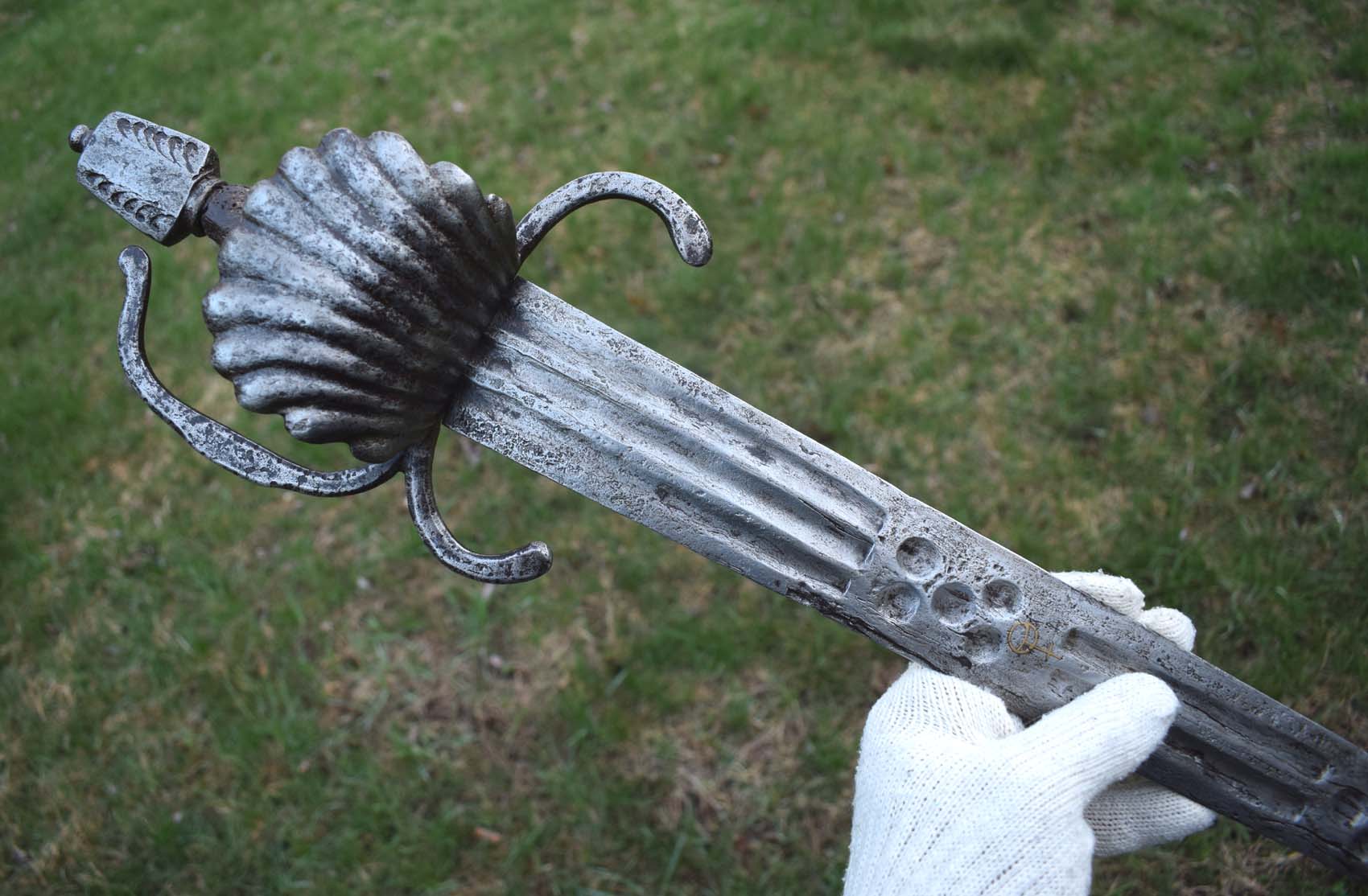
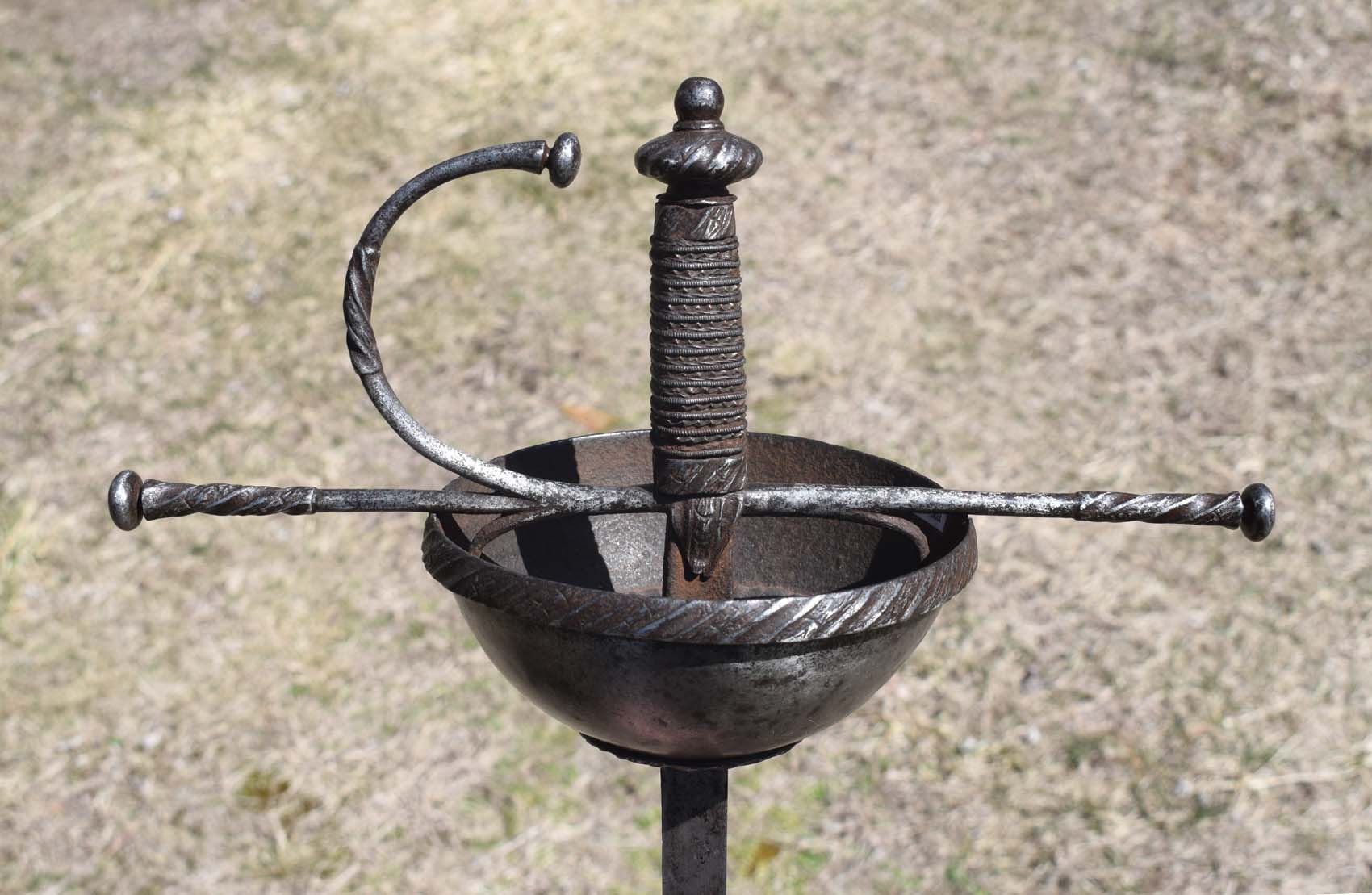
Rare & Important 17th Century Spanish Cup Hilt Rapier / Backsword!. Here is a very rare and early Spanish cup hilt rapier in "untouched" condition (all original) with a beautifully chiseled hilt! Its gadrooned turban pommel has a tall integral capstan that has never been re-peened (so hilt has some looseness – we like it like that as it only attests to the swords purity). Original wound steel grip wire with alternating bands of twisted copper is intact (a tiny old iron staple secures the loose bottom end on reverse). Both ferrules and even both langets are nicely chiseled en-suite with the rest of hilt. The guard-de-pulvo is also decorated in the form of sun rays. The cross guard and knuckle guard are nicely twisted with button terminals. The edge of the cup is chiseled with rope-work as is the bottom of cup! Its 38“ blade is of the back-sword type (Rigid with spine and sharpened on one side only). A great rarity that allows a sturdy thrust and a slashing cut. It is engraved with a cross and geometric designs on both sides that look very Aztec (some wear). Perhaps the designs were engraved in the Americas after the conquest of the Aztec peoples. Possibly owned by a conquistadore in the New World. We can find no other explanation for this. Whatever the case, this sword is a great rarity as far as Spanish cup hilts go. An old collection inventory number is inside the cup. Details of collection will go to purchaser. Price is firm. Thanks for looking! Be sure to check out our other listings for more great swords! Our direct email address is: fineartlimited@yahoo.com
  • Nation : American
  • Local Price : $3995.00
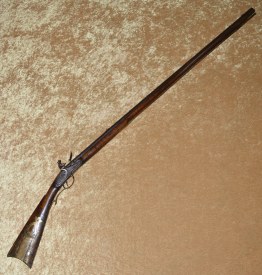
Flintlock Kentucky Long Rifle, ca. 1830. Featuring unmarked 40 7/8” (103.8 cm) octagonal barrel of approximately .44 caliber, with fixed iron rear notch sight and inlaid brass front blade sight. Original flintlock mechanism with unmarked flat lockplate and swan neck cock. Tiger stripe maple full stock (section of fore stock expertly repaired), with brass mounts, including decorative engraved patch box cover, trigger guard, butt cap, side plate, fore end cap, and three ramrod thimbles; wood ramrod. Very good condition, the barrel with pitting and dark rust patina, stock with lovely dark patina, and brass mounts with pleasing brownish gold patina. Overall length 56 1/4” (142.9 cm). Beautiful classic piece to hang over the fireplace.
  • Nation : ?
  • Local Price : 2,950.00
. A Good Irish Flintlock Duelling Pistol by O'Neil of Dublin. With slightly swamped sighted barrel, with border engraved gold poincon signed, ‘ONeil DUBLIN' breech block inlaid with a single gold line, gold touch hole and standing rear-sight, beautifully engraved tang, border engraved and decorated with stands of arms, stepped, bevelled lock, signed ONeil in script, half-stocked in walnut (old crack on lock side towards cap), cut with chequering at the grip and with an engraved cut-out for a shoulder-stock, engraved silver escutcheon, engraved with what appears to be hands shaking and the original owners initials, silver barrel bolt escutcheons, with engraved steel trigger guard, decorated with stands of arms on the bow and fitted with a spur, pineapple finial, horn tipped ramrod with steel worm. ONeil appears to be an unrecorded Irish maker. Dimensions: Bore: 25 Bore Barrel Length: 11 Inches (28 cm) Overall Length: 16.5 Inches (42 cm)
  • Nation : American
  • Local Price : £2850
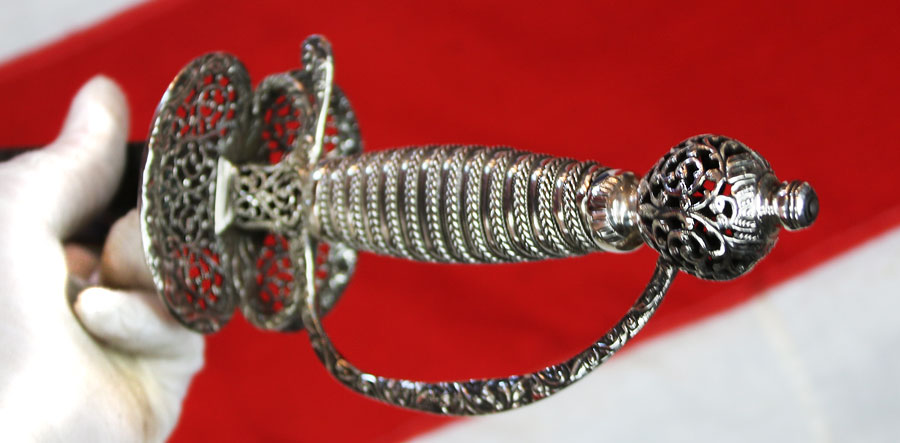
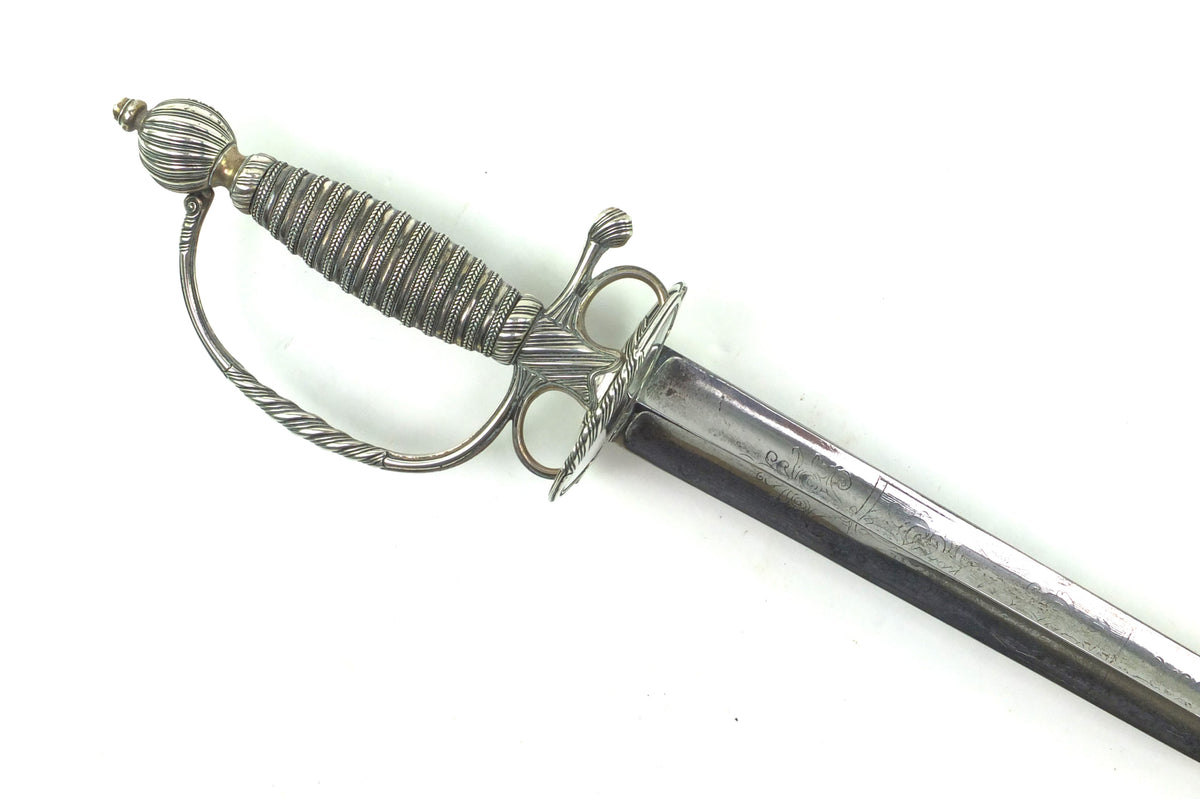
Click and use the code >23170 to search for this item on the dealer website Magnificent 18th Century Silver Hilted Small Sword with Colichmarde Blade. This Is One Of The Most Beautiful We Have Seen in Several years
  • Nation : British
  • Local Price : £2850
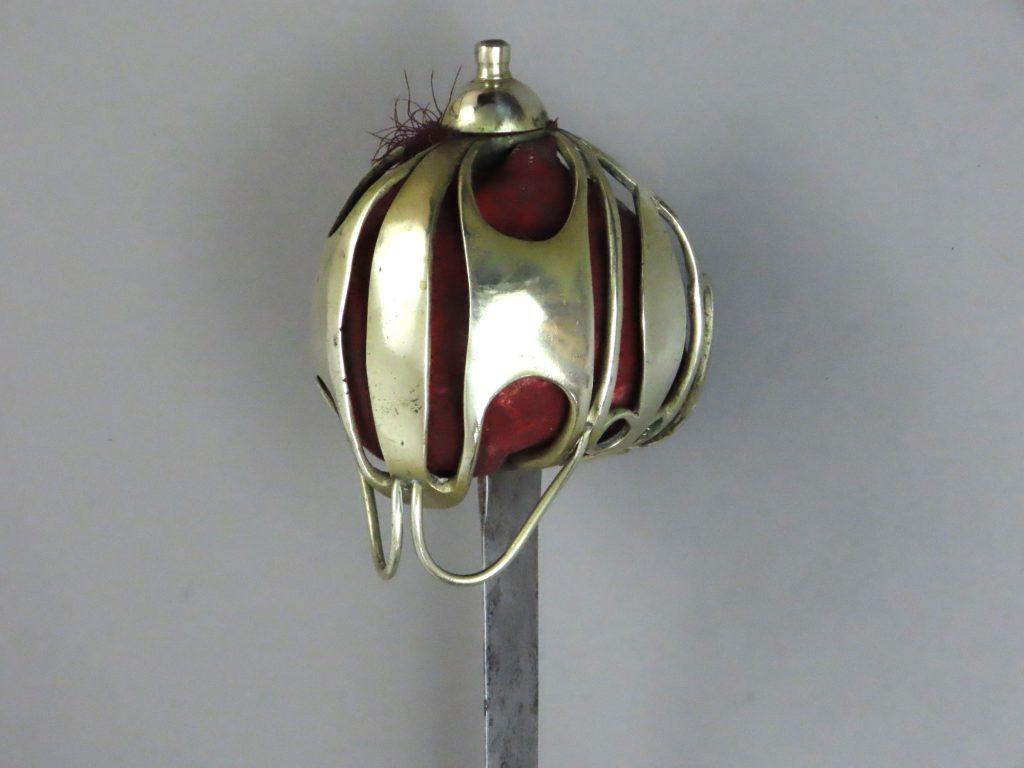
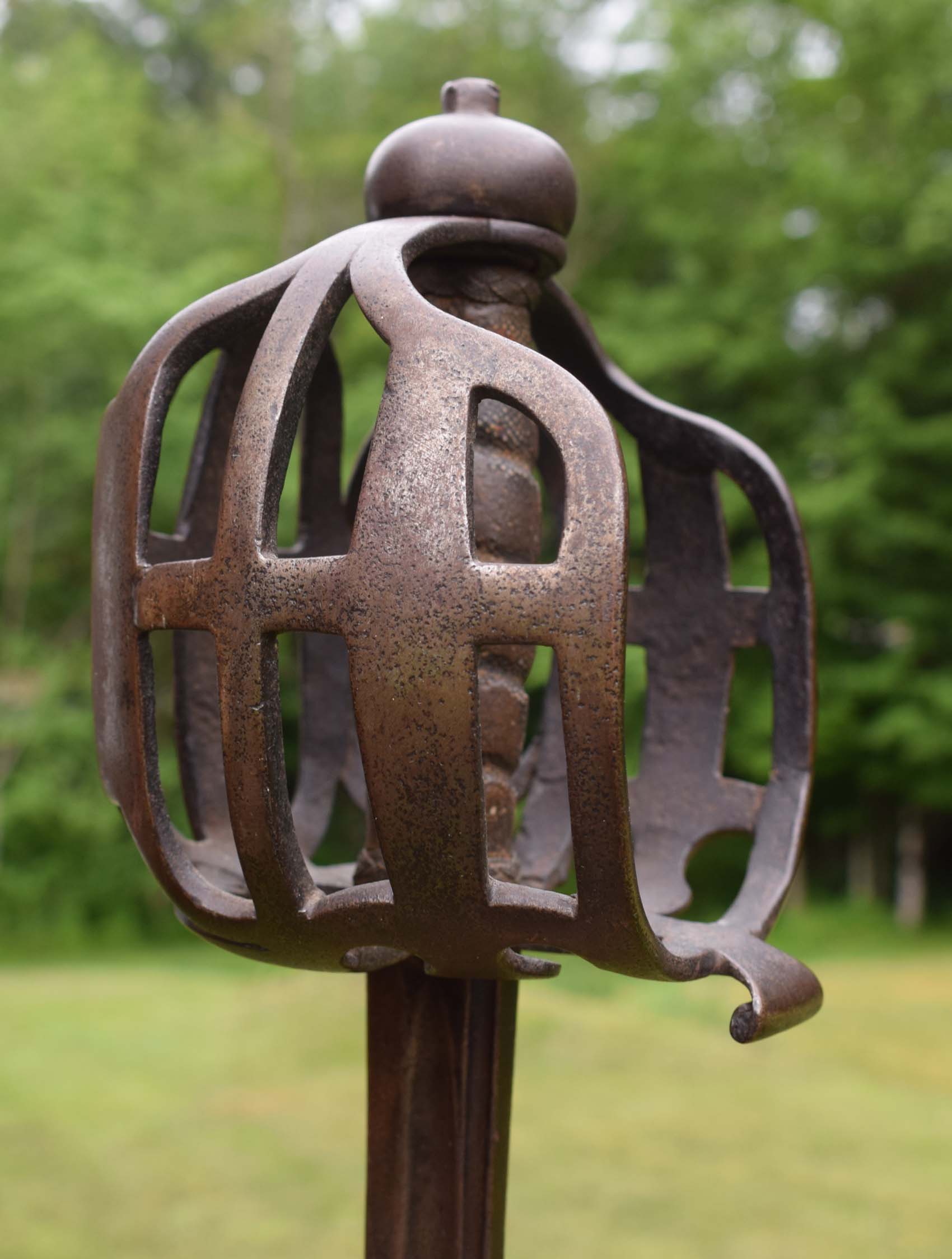
British Basket Hilted Cavalry Back Sword Circa 1740 to 1755 with Maker’s Mark “SG” & Ordnance Inspection Mark. A representative example of a British army basket hilted back sword issued to cavalry and infantry regiments in the middle of the 18th century. The sword is in fine original condition. The basket guard is forged from broad flattened iron bars with squared edges. The hilt structure consists of a knuckle bow to the front and two side guard bars which curve upwards from the cross piece and join a ring which extends around the pommel base. Below, the frontal loop guard bars are a downward continuation of the side guard bars which loop forward to join the base of the knuckle bow at the front quillon terminal. To the front, in the spaces between the baluster shaped knuckle bow and the two side guard bars, two saltire bars are centred with large vertically rectangular guard plates with convex rounded tops and concave sides. To the back, a rear guard bar on each side extends upwards and curves towards the top of the side guard bar which it joins near the pommel. Between the rear and side guard bars baluster shaped panels are attached with merlons at the base which strengthen the structure. The capital letters “S G” are stamped underneath the rear quillon. These most likely represent the hilt maker rather than the regimental store number which is most usually stamped onto the pommel or knucklebow. The pommel is of typical British 18th century military bun shape with a short thick neck which fits tightly into the guard arm ring. It has a prominently raised integral round section button on top. The slightly baluster shaped grip is of oval section and spirally grooved with a shagreen cover, plus twisted brass wire binding and brass ferrules mounted top and bottom. The hilt retains its leather liner. The single edged tapering blade is 33.75 inches (just under 86 cm) long. It has a short ricasso and a double fuller which runs underneath the squared back edge for 25.5 inches (65 cm). An Ordnance inspection mark consisting of a crown with a number 6 below is stamped near to the hilt. The blade is of high quality, most probably made in Germany and imported by the British Ordnance for the manufacture of this sword in a batch. Swords of this type were purchased by regimental colonels for their troops. The series of paintings by David Morier housed in the Royal Collection of British cavalry and infantry uniforms and weapons give an interesting insight into the variety of basket hilted swords employed by the army in the mid 18th century bound by a common design theme. One shows a Private in The Royal Horse Guards (The Blues) dating to circa 1751 to 1760 armed with a similar sword to ours with solid side guard plates (Collection Reference RCIN 401505). Another painting by Morier entitled “An Incident in the Rebellion of 1745” shows hand-to-hand combat between Scottish Jacobite Highlanders and a line of Privates of a  Grenadier company of The 4th King’s Own (Barrel’s) Regiment, with a Sergeant, an Officer and Drummer nearby (Collection Reference RCIN 401243). The soldiers carry swords which are variants of the same theme. The grip and hilt furnishings are in fine condition. The iron hilt has a russet patination all over. The steel blade is brighter with minor speckled age. There is an old crack in the rear guard bar on one side. The sword is almost identical to one illustrated in “The Swords and the Sorrows”, National Trust for Scotland, 1996, page 148, Fig 1:51. See also another near identical sword in Cyril Mazansky, “British Basket-Hilted Swords, The Boydell Press, 2005, page 95, Fig: F1a.
  • Nation : Chinese
  • Local Price : £2795
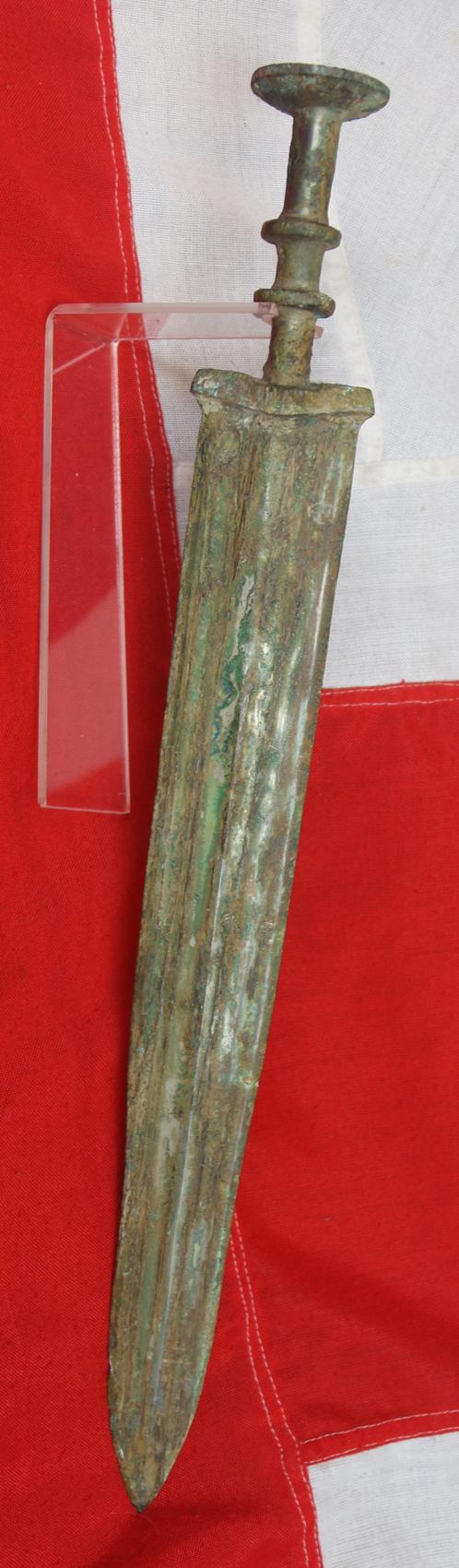
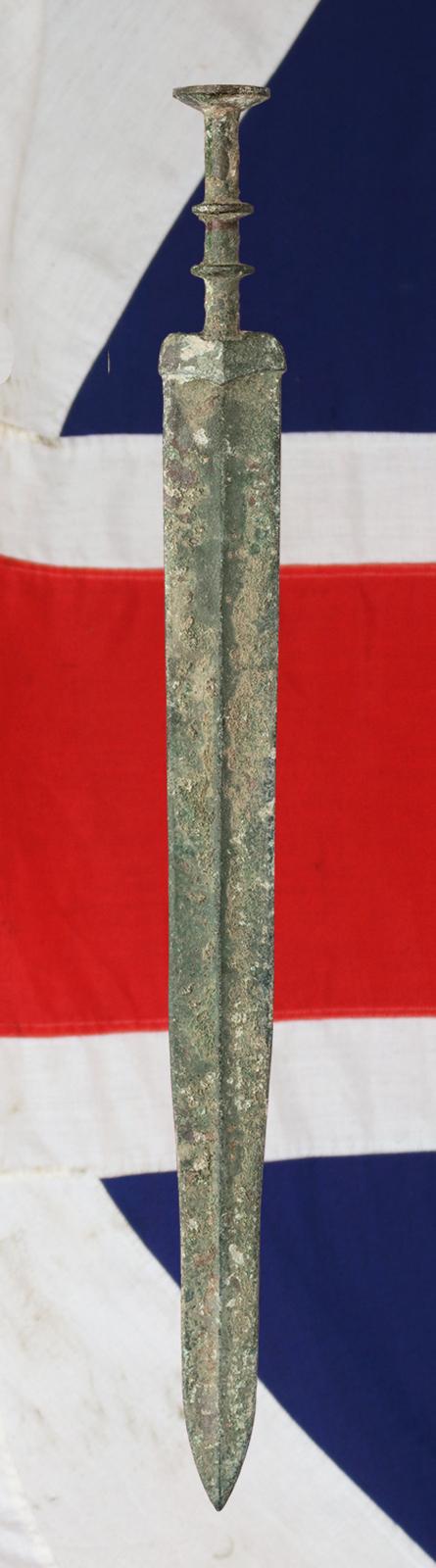
Click and use the code >24906 to search for this item on the dealer website Rare, Archaic Chinese Warrior´s Bronze & Tinned Jian Sword, Around 2,300 to 2,800 Years Old, From the Zhou Dynasty to the Qin Dynasty, Including the Period of the Great Military Doctrine ´The Art of War´ by General Sun-Tzu
  • Nation : ?
  • Local Price : 2,850.00
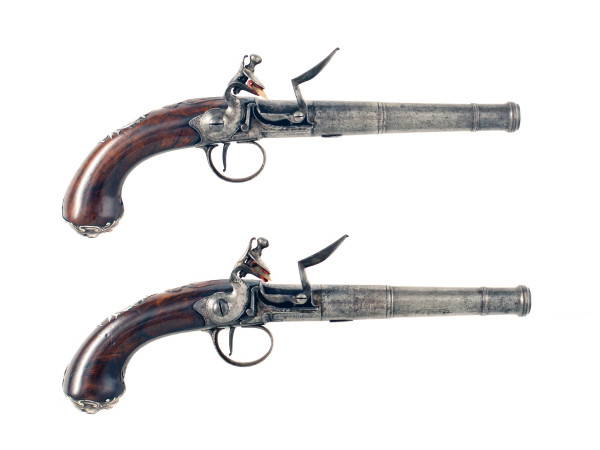
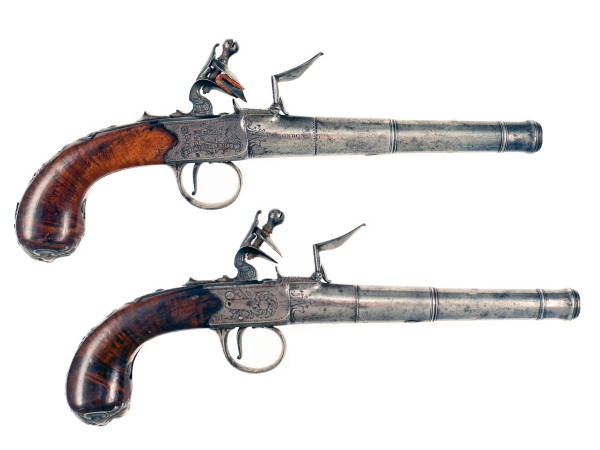
. A Pair of Flintlock Queen Anne Pistols. With round three-stage turn-off barrels, the breeches each engraved with rococo foliage, signed beneath the chiselled steel-spring and struck with London proof marks and ‘Foreigners' mark, border engraved tangs each decorated with foliage, border engraved actions, cocks and steels, both trigger guards engraved with a sun-burst on the bows, figured swelling rounded butts each carved in low relief with rococo foliage around the tang, with cast and chased silver mounts, comprising side-plates, vacant escutcheons and grotesque masks stamped in the mouth ‘JA' for silversmith Jeremiah Ashley. IN good sleepy condition and working order. T. JONES Thomas Son of Thomas apprentice to father, 1746; free of Gunmakers Co., 1760. Gunmaker, ‘At the Cross Guns in Cornhill near ye Royal Exchange' (trade card of c1760). May have worked earlier at Fenchurch Lane. Continued to use fathers mark, noted on pistol hall-marked 1777. Dimensions: Bore: 18 Bore Barrel Length: 7 Inches (17.80 cm) Overall Length: 12 Inches (30.50 cm)
  • Nation : ?
  • Local Price : 2,850.00
. A Pair of Cannon Barrel Pistols by Hirst of London. With round three-stage turn-off cannon barrels, stamped below with London proofs and Foreigners marks, the barrels numbered, ‘1' and ‘2' respectively, decorated with sprays of foliage at the breeches and stamped ‘LONDON' border engraved box-lock actions, signed ‘HIRST TOWER HILL' on foliate scrolls, decorated with foliate panels to the opposite sides (room for belt clips) cocks beautifully engraved, fitted with sliding safety catches, swelling walnut butts cut with raised foliate aprons around the tangs, with cast and chased silver escutcheons and grotesque mask butt caps, trigger guards engraved with foliate swirls. HIRST John. Former apprentice of Jonathan Herring or Heron, gunmaker of Darton, Yorks. Came to Londonand worked for ‘Mr Clarke who forged Gun Barrels for the Tower' (London Magazine, 21 February 1747). Gunmaker at the Two Cross Gunsin the passage leading from Little Tower Hill to East Smithfield', from 1744. Contractor to Ordnance, 1746-74; East India Co., 1772. One of the largest gun setters-up, reported had 34 workers in 1755. Supplied Ordnance with 5 breech loading rifles, 1762; Royal Princes with set of boy's military arms, 1772. Howard L. Blackmore (1986) Gunmakers Of London 1350-1850, George Shumway Publishing, York, Pennsylvania, USA. Dimensions: Bore: 20 Bore Barrel Length: 5.25 Inches (13.3 cm) Overall Length: 12 Inches (30.5 cm)
  • Nation : British
  • Local Price : £2,750.00
Scottish Horsemans Basket Hilted Broadsword. Scottish Horsemans Basket Hilted Broadsword c 1740 fitted with a later replacement blade c 1780. The basket with cone pommel and pierced with hearts and circles in the traditional form. The basket does show some age repairs please see images wooden ribbed grip. The blade double edged with central small fuller overall length 39 inch the blade 32.75 inch
  • Nation : British
  • Local Price : £2750
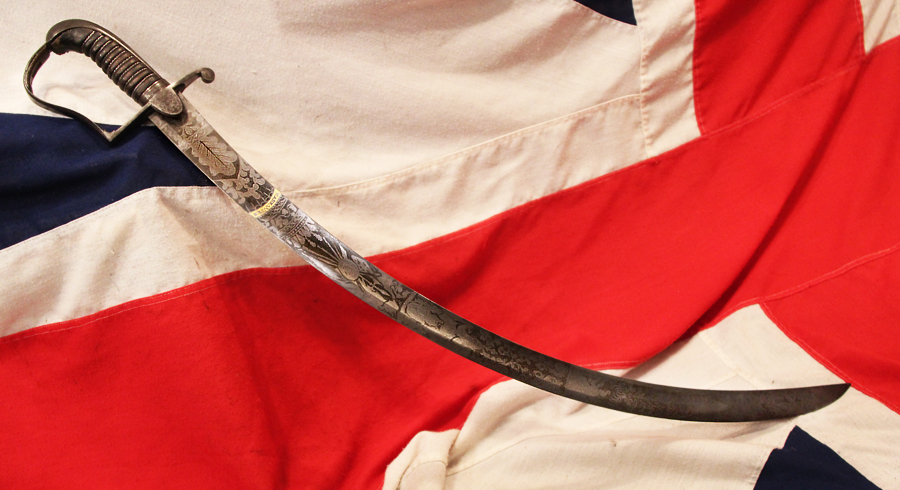
Click and use the code >22157 to search for this item on the dealer website Stunning 1796 Scottish Flank Officer´s Combat Sword, Napoleonic Wars, Peninsular & Waterloo Period. For Coldstream Guards, With One Of The Most Beautiful, Finest Quality & Unique Blade Engravings We Have Ever Seen. By Hunter of Edinburgh
  • Nation : Japanese
  • Local Price : £2750
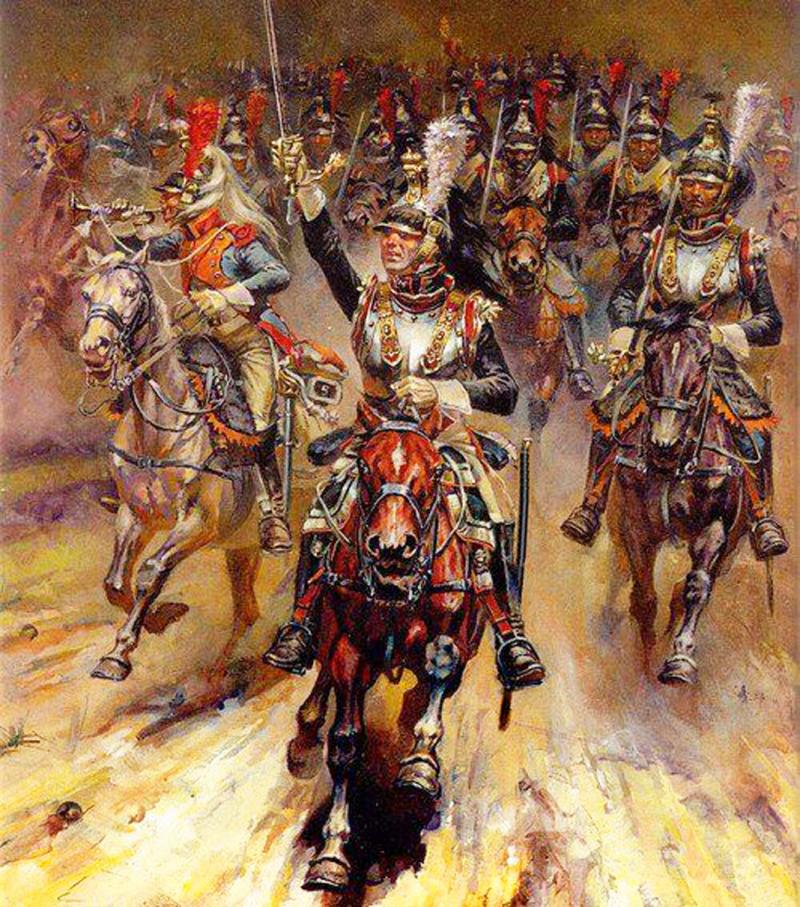
Click and use the code >25736 to search for this item on the dealer website Singularly Beautiful Napoleonic Wars, Elite Cuirassier´s ´Year 13´ Imperial French Dated Sword, Of The War of The 100 Days, Culminating at the Battle Of Quatre Bras & The Battle of Waterloo, the Duke of Wellington´s Decisive Victor
  • Nation : British
  • Local Price : £2750
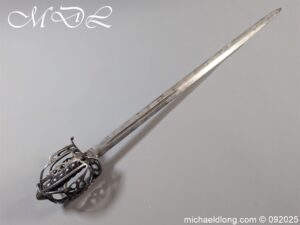
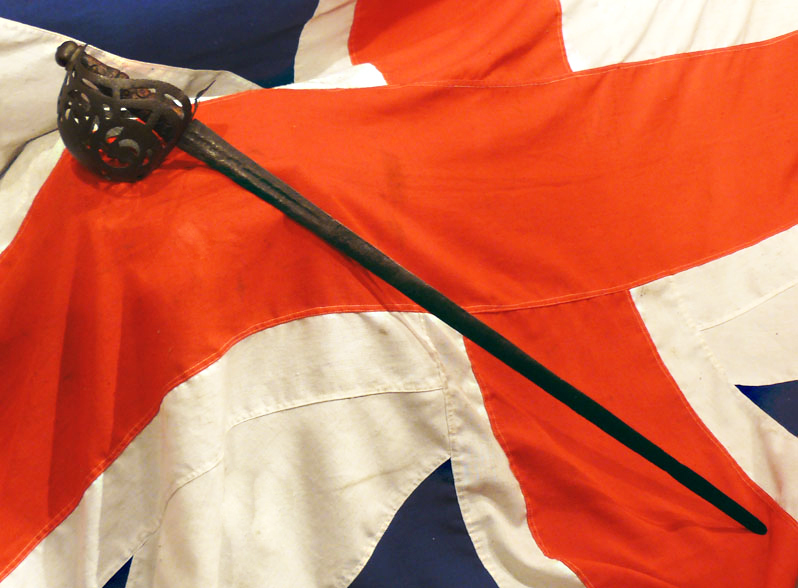
Click and use the code >20632 to search for this item on the dealer website Original 18th Century Scottish Fencible Regimental Basket Hilted Broadsword
  • Nation : British
  • Local Price : £2750
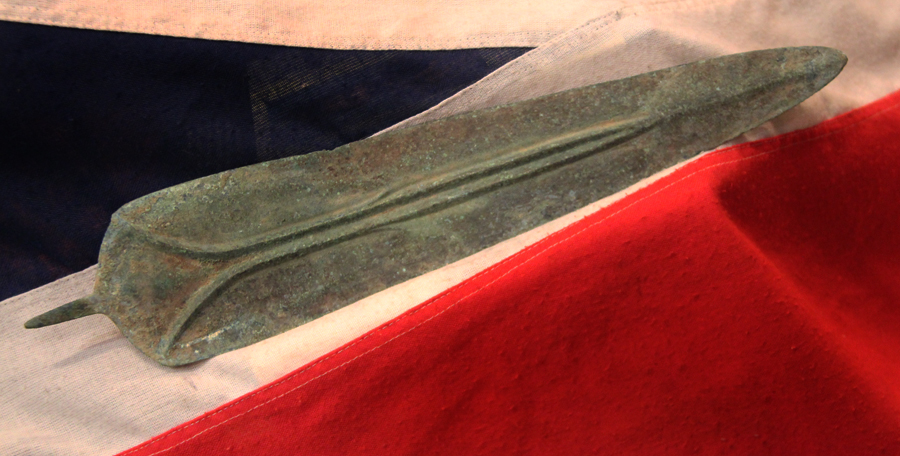
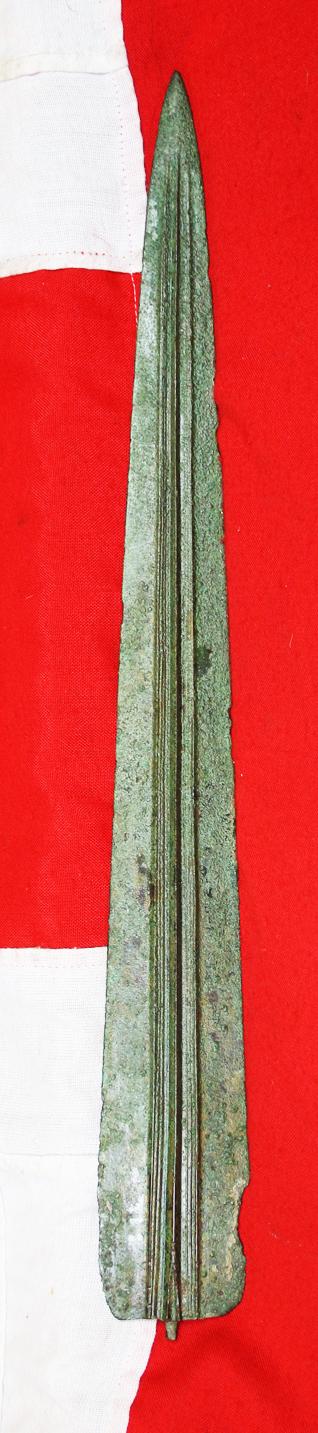
Click and use the code >22069 to search for this item on the dealer website Simply Stunning Ancient & Historical Era Greek Leaf Shaped Bronze Sword With a Distinctive Blood Channel. From the Most Iconic Period Of Ancient Greek Classical History. Around 3200 Years Old
  • Nation : British
  • Local Price : £2695
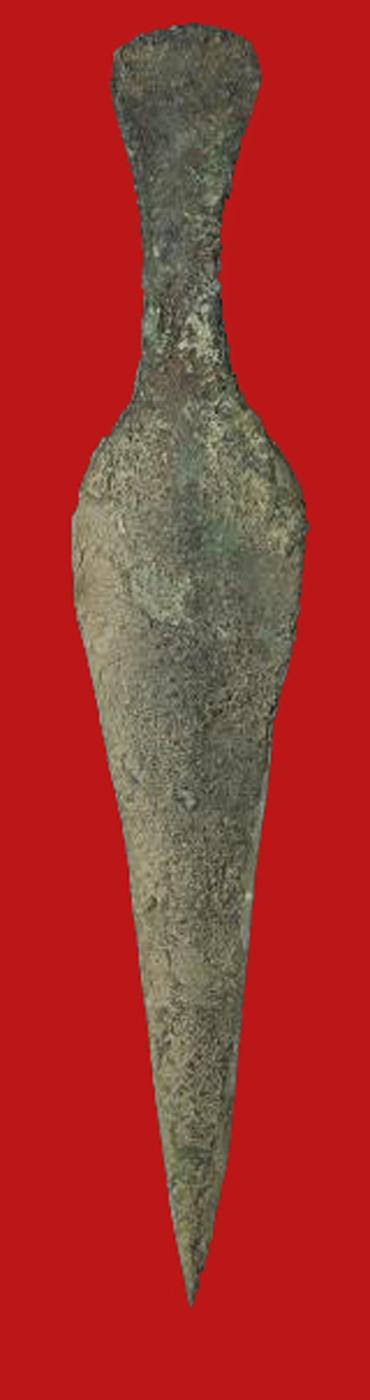
Click and use the code >23524 to search for this item on the dealer website Breathtaking & Original Museum Piece. An Ancient Greek Leaf Shaped Sword or Long Dagger From The Greco-Persian Wars Era, From the Time of the Spartans at Thermopylae, To Alexander the Great´s Conquest of Persia & Egypt
  • Nation : British
  • Local Price : £2,695.00
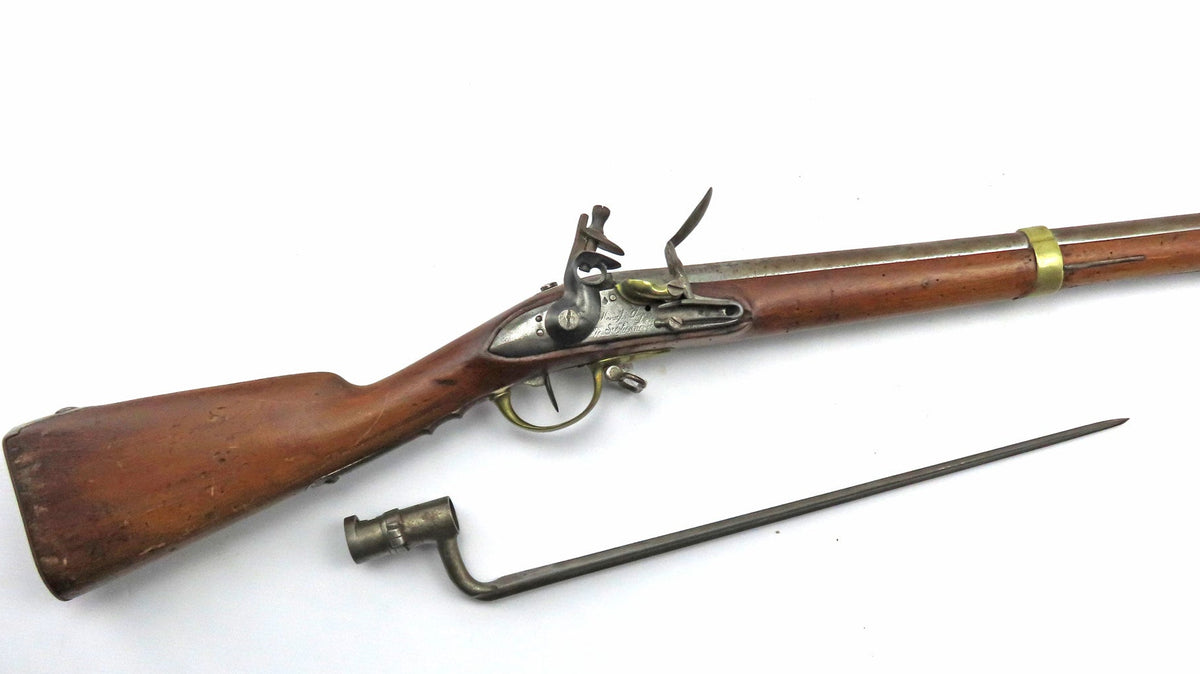
Charleville Naval Musket Pattern 1777 Corrected Year IX, rare. Ref X3415. A Rare French Charleville Naval Musket Pattern 1777 Corrected Year IX. 53&157; overall, 37 1/2&157; barrel in .69 calibre, barrel breech with inspector´s mark & dated 1814. Rounded lock plate with ring neck cock, brass pan. Lockplate marked ´Manufre. Imple de St.Etienne´ with inspector´s mark. Walnut full stock with scalloped butt, with iron & brass furniture comprising flat iron butt plate, trigger guard of iron & brass with sling swivel & finger ridges, 2 sprung brass barrel bands middle one with sling swivel, fore end band & side plate. Tulip ended ramrod & socket bayonet.Dated 1814.&194;&160; In good condition, barrel slightly shortened by about 2&157;, metal work in good condition, a few old wood worm holes.&194;&160; &194;&160; &194;&160; &194;&160; &194;&160; &194;&160; &194;&160; &194;&160; &194;&160; &194;&160; &194;&160; &194;&160; &194;&160; &194;&160; &194;&160; &194;&160; See ´French Military Small Arms´ by D. Bianchi pages 82-84 and ´Borders Away II Firearms in the Age of Sail´ by W. Gilkerson, page 181 Images courtesy of West Street Antiques (https://antiquearmsandarmour.com/)
  • Nation : German
  • Local Price : $2695.00
German Officer’s Broadsword with Scabbard, ca. 1680. Blackened hilt featuring single oblong side ring filled with a pierced plate embossed with acanthus design. Down-turned reverse quillon with lobed finial chiseled with acanthus design. Knuckle bow with central double knob joined to the pommel. Pommel with button and chiseled ensuite with acanthus design. Grip wrapped with three sizes of single strand and twisted brass wire and finished with braided turks heads top and bottom. Double- edged 33 1/4″ blade of hexagonal-section; the long ricasso stamped “JOANNE” on one side and “MARTINEZ” on the other inside an engraved border. Blade shows lamination, pitting, and a number of nicks from blade strikes primarily on the lower half. In its restored leather covered wood scabbard with blackened iron mounts. Overall length 38 ½”, not including scabbard.
  • Nation : Japanese
  • Local Price : £2650
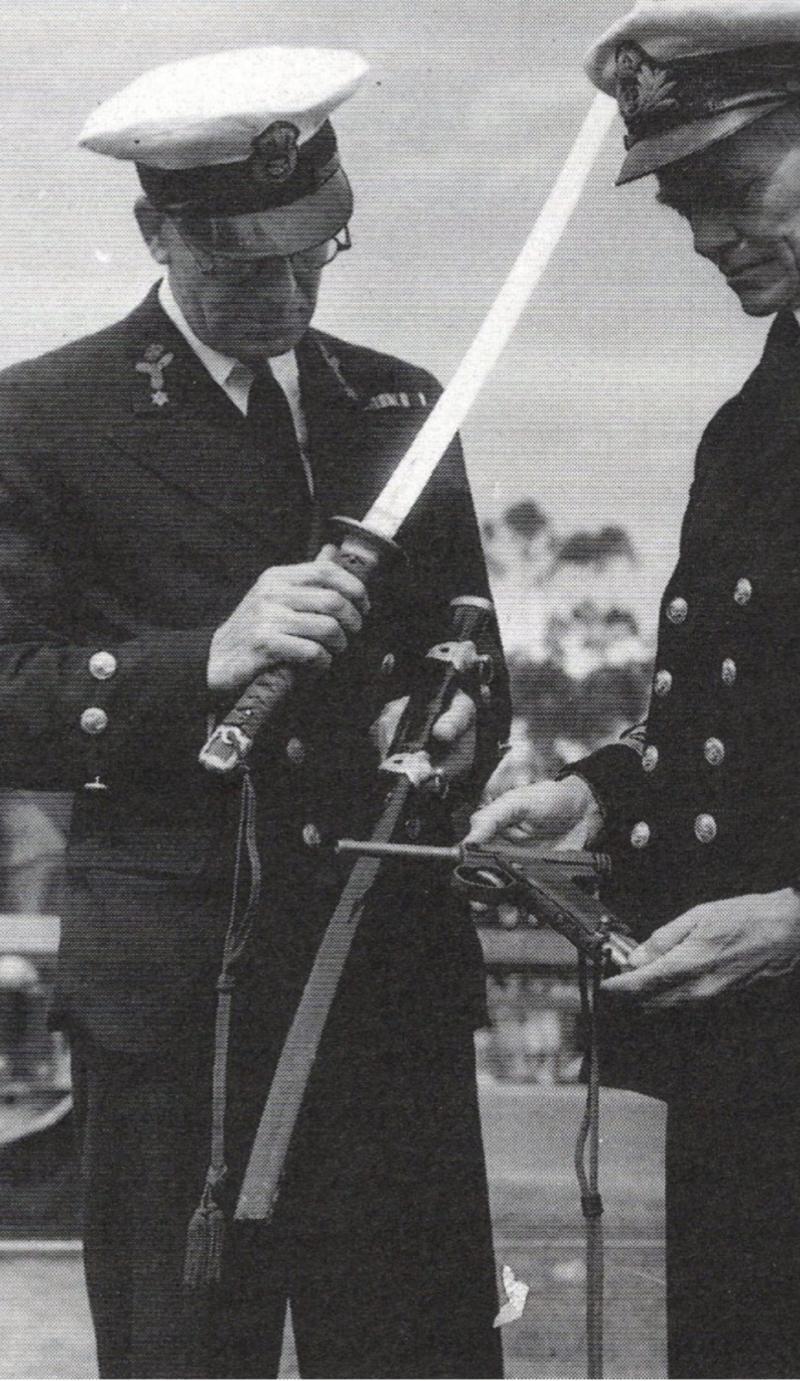
Click and use the code >26140 to search for this item on the dealer website Totally Conserved Original Japanese WW2 Kaigunto Officer´s Sword By Fukuoka " &156;Chikugo Miike-jÅ«nin Kawamura Yukimitsu Saku&157; (ç­"å¾
  • Nation : British
  • Local Price : £2650
Click and use the code >26056 to search for this item on the dealer website Simply Wonderful Original Trojan War Period Full Length Bronze Sword Blade, 21 Inches Long. Circa 1200 B.C.Archean Greeks, the Mycenean Greeks, The Trojans & The Hitites. From The Warring Times Of Menalaus King of Sparta & King Agamemnon
  • Nation : -
  • Local Price : £2,650.00
Seaforth Highlander Duke of Sutherland Sword. Seaforth Highlanders 5th Battalion officers sword belonging to 5th Duke of Sutherland who was a captain between 1910 and 1912 becoming Honorary Colonel in 1914. Regulation basket hilted sword in good condition complete with liner and fringe. The blade is super condition and well etched with G R V and crown to one side the reverse with regimental details as follows Seaforth Highlanders 5th The Sutherland and Caithness Highland Battalion plus the single letter S Retailers details Davies and Sons London and complete with matching scabbard which does show age wear between the ring mounts sold with research
  • Nation : Chinese
  • Local Price : £2595
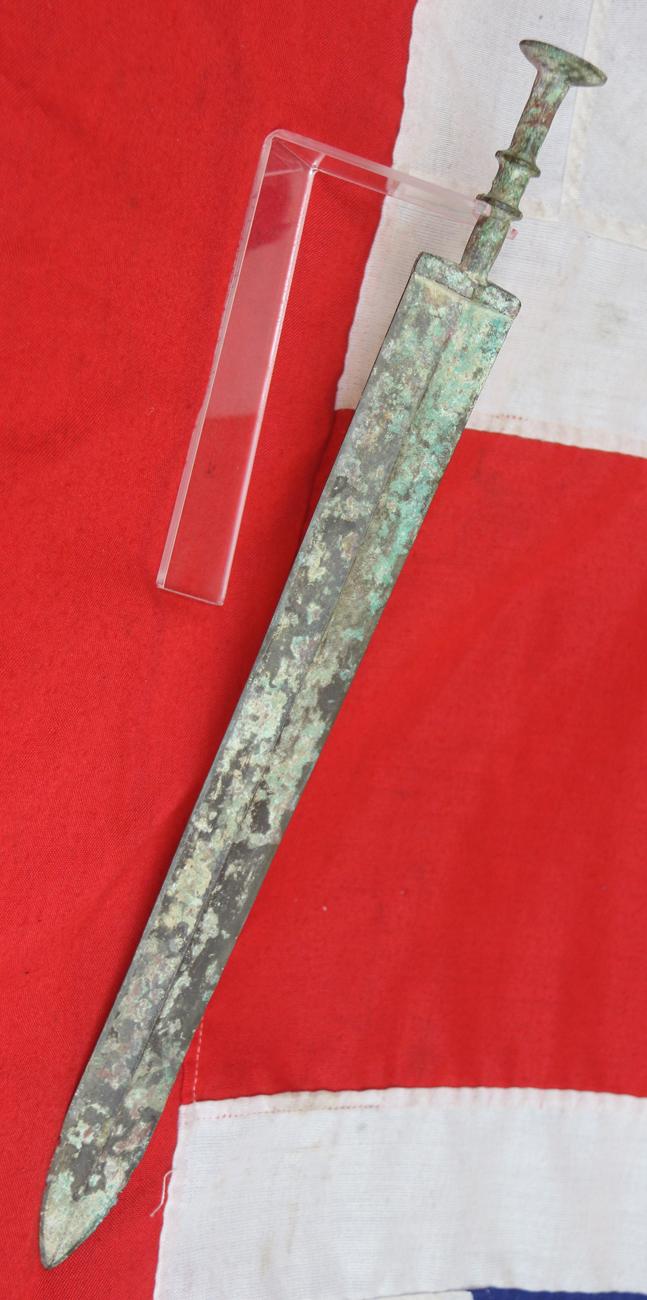
Click and use the code >24304 to search for this item on the dealer website Archaic Chinese Warrior´s Bronze Sword, Around 2,300 to 2,800 Years Old, From the Zhou Dynasty to the Qin Dynasty, Including the Period of the Great Military Doctrine ´The Art of War´ by General Sun-Tzu
  • Nation : Chinese
  • Local Price : £2575
Click and use the code >24355 to search for this item on the dealer website Ancient Chinese Warrior´s Bronze Sword, Around 2,300 to 2,800 Years Old, From the Zhou Dynasty to the Qin Dynasty, Including the Period of the Great Military Doctrine ´The Art of War´ by General Sun-Tzu
  • Nation : British
  • Local Price : £2575
Rare Scottish 1798 Pattern Officers’ Basket Hilted sword with Paktong / Nickel Hilt. A rare example of the distinctive basket hilted sword introduced for Scottish Infantry officers in Highland Regiments in 1798. It was replaced by the regulation steel basket hilt 1828 pattern three decades later. The sword type was used throughout the Napoleonic War period. The hilts of these swords were most usually made of gilt copper, bronze or brass. This sword is a rare example in that the hilt is made from a lighter coloured nickel-based alloy. The use of nickel alloy in the production of weapons and tableware was increasing in the early 19th century as a substitute for silver, variously called Tutenag, Paktong, German Silver etc, but is rare in the production of sword hilts at this time, although some made from imported Chinese Paktong are known (for an example see an English Georgian Slot Hilt Hanger of the late 18th century mounted with a Paktong hilt sold by C&T Auctioneers and Valuers Ltd, Royal Tunbridge Wells, UK, lot 119, 1st November, 2017).  A further nickel-based hilt of Scottish 1798 pattern that we are aware of is detailed in note 1 below. The basket guard is made of rounded bars and flattened plates in the usual manner with forward loop guards and a swollen wrist guard terminal to the rear quillon. The upper terminals of the guard arms are fixed onto a ring inside which the stem of the mushroom shaped pommel is fitted. The pommel is dome-shaped on top with a protruding integral waisted pommel button.  The double-edged gently tapering blade is 32.5 inches (just over 82 cm) long. It is of lenticular section with a short ricasso. A central fuller commences a short distance from the hilt on each side and is 9.5 inches (24 cm) long. The blade is unmarked and probably a German import which is a common occurrence on swords of this type and most usually of Solingen manufacture. The grip is of spirally grooved wood covered with shagreen held in place with thin strands of twisted copper wire now coloured with age. It is mounted with an alloy ferrule at the base of similar colour to the hilt and retains a red woollen fringe at the top plus its leather liner stitched with red cloth on the outside and bound with blue silk ribbon at the hem.  The materials used for 1798 pattern hilts were less robust than iron and as a result  were susceptible to damage. Many surviving and published examples have bars missing, are out of shape and often with repairs. This sword is a good example. The blade has just small patches of blackened age-related staining in places and the hilt has kept its shape without damage or repairs. Note 1: For other examples of the 1798 type see: Harvey J S Withers, “The Scottish Sword 1600-1945”, Paladin Press, 2009, particularly page 144 for a 1798 Pattern described as: “An unusual piece. The basket appears to be manufactured from a combination of white metal and brass (mixed together)”. The pommel, blade ricasso, grip shape and binding, plus the basal ferrule, liner and fringe, are more than coincidentally similar to our sword, indicating that both may have been made in the same batch by the same maker.
  • Nation : British
  • Local Price : £2550
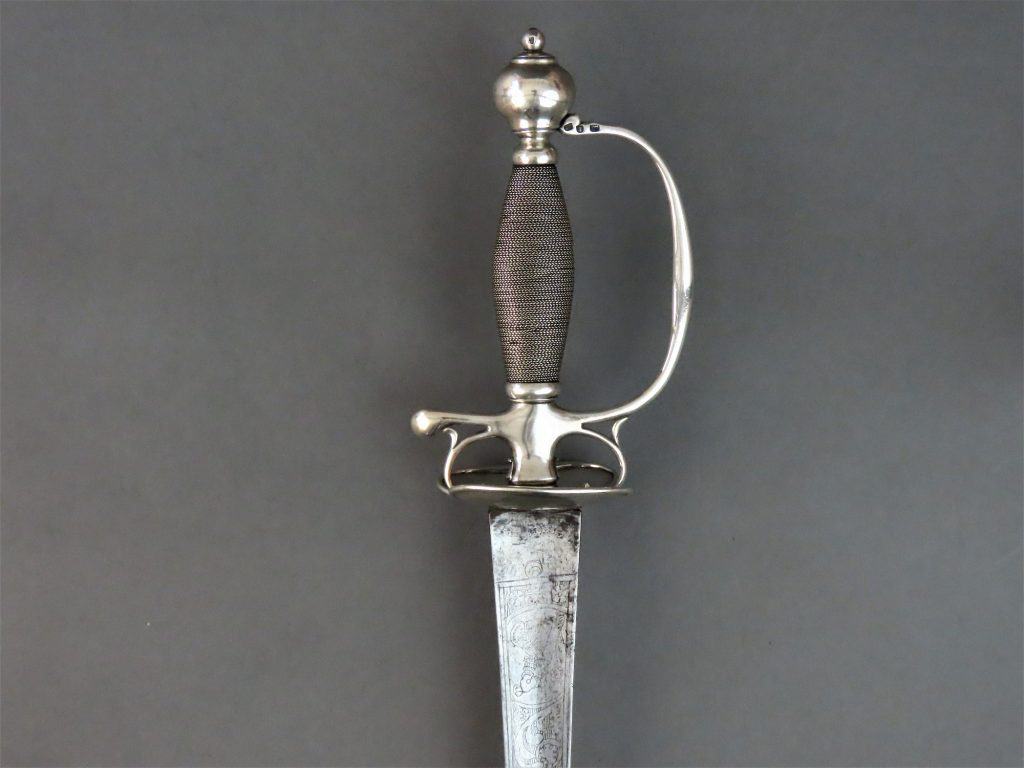
English Silver Hilted Small Sword with London Hallmarks for 1726 / 1727 likely by Thomas Bass and made for the American market. A fine early 18th century English silver hilted small sword mounted with a double shell guard. The hilt is of the early plain form that arrived in the late 17th century and is the precursor to the period when the quality of small sword design and decorative appearance blossomed and reached its hiatus in London from the 1730’s onwards. An interesting feature of the hilt is the two outwardly concave bars which link the pas d'ane rings to the knuckle bow and rear quillon presumably to strengthen the structure in an attractive manner. The ring terminals also protrude upwards. These features are unusual on English silver hilted small swords but appear on one of the swords featured in Leslie Southwick’s “London Silver-hilted Swords”, Royal Armouries, 2001, page 279, plate 29. This sword is in the Royal Armouries Collection, Ref IX.2241. It is by the maker George Willcocks and hallmarked for 1720 / 1721. The hilt is almost identical to our sword even down to the minor details such as the shape of the pommel button and the grip ferrules. The maker's mark is also shown in the same place on the pommel button. Whilst the subtle features described above are unusual in English made swords they are not unusual in 18th century American small swords. Daniel D Hartzler in “American Silver-Hilted, Revolutionary and Early Federal Swords”, 2015, Volume 1, illustrates a number of swords with these features made by 18th century American silversmiths such as Edward Winslow (pages 222, 223), William Little (pages 249 to 251) of Massachusetts and working in the early 18th century contemporary with the maker of our sword. Hartzler describes the hilt features highlighted above as the “American manner of construction” (page 222). Our sword was presumably therefore made in the American manner most likely for an American gentleman by one of a number of London silversmiths that catered for this demand.  Most American silver hilted small swords at this time, like our sword, are rather plain double shell guard types as can also be seen in Hartzler. The hilt of our sword is almost certainly by Thomas Bass. Three hallmarks marks are present on the knuckle bow and two on the pommel button. The knucklebow marks are the lion passant and the crowned leopard's head assay mark plus the date stamp for 1726 / 1727. The pommel button has a worn lion passant on one side and the maker's mark on the other which is also worn and indistinctly stamped onto this awkward surface. Thomas Bass's Sterling mark was registered in 1720 (Grimwade 2685) and consisted of his initials “T B” in raised relief inside a shield with a pellet between, and below, and a crown above. The mark on the sword pommel clearly shows the “T” plus the pellet to its right and the spine of the letter “B” to its right. Due to the tight curve of the small button most of the right hand part of the stamp is missing. A feature of the lives of London silver hilted sword makers of the 18th century was that talent in working with silver was not necessarily a guarantee of commercial success. To succeed they also needed business acumen. Some silversmiths were very successful and became wealthy men. However, the records show that many talented silversmiths, evidenced by the quality of their surviving works, lived a sparse existence and sometimes ended their lives in penury. Thomas Bass seems to have been one such unfortunate case. Thomas is recorded from 1701 to 1760 as a silver hilt maker and sword cutler. He was indentured to the profession by the cutler Joseph Reason for seven years and sworn “free” of the Cutlers' Company on 15th April 1708, after which he is recorded as working in Fetter Lane in the City of London where he remained for the next 50 years and registered his first mark. He indentured his one known apprentice, Isaac Stewart, in 1712, and registered his second (Sterling) mark in 1720. On 5th October 1721 the Court of Assistants of the Cutlers' Company excused Thomas from taking livery due to his “mean” circumstances. A year later he was excused again: “Thomas Bass being sumon'd did not appear but several Members knowing him to be poor the Court doth think fit to excuse him till he is in better Circumstances”. It seems that Thomas struggled with poverty all his life and spent his last years in a workhouse to be buried at St Andrew's Church, Holborn, on 22nd February 1760. The above reference work borrows from Leslie Southwick 2001. The hollow ground, triangular section blade displays a pronounced taper at the forte and is in fine condition with a grey uncleaned patina. Engraved scroll designs have been applied near to the hilt in panels on both sides. The widest shows a  hatted figure surrounded by foliage. Minor speckles and patches of age staining are present in places.  The blade length is 30.5 inches (77.5 cm) and the overall length of the sword is just over 37 inches (just over 94 cm).
  • Nation : British
  • Local Price : 3495.00 USD
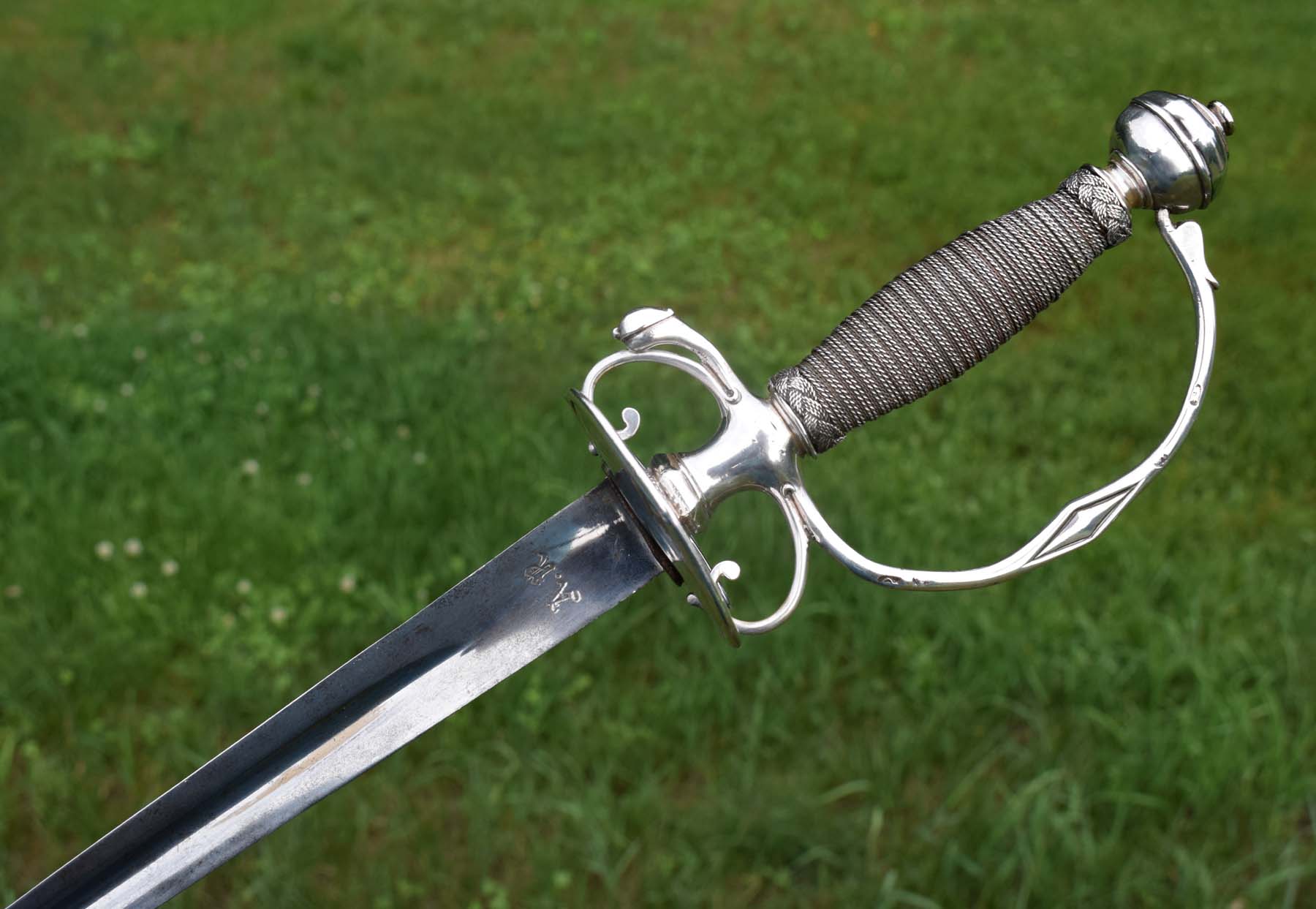
Very Fine & Very Elegant Queen Anne British Silver Hilted Small Sword!. Here is a rare example of an early 18th century British silver hilted small sword from the Queen Anne Period and bearing the Queen’s Royal Initials on the blade! (a great rarity) This very fine example is one of the most detailed and beautifully designed examples that you will ever see. A true museum piece! This sword would have belonged to a staunch supporter of the Crown, either a high ranking military officer, a wealthy aristocrat or possibly a relation of the Royal Family. It is in exceptional original condition with only a few inconsequential dings and light wear as might be expected from a 300 year old sword. See photos. It has never been dismantled or re-peened and retains its original twisted silver and copper grip wraps along with its original Turk’s Head ferrules. It has 2 sets of silversmith’s touch marks: one on the counter-guards and one on the knuckle-bow (some wear) that indicate it was made 1709 – 1710 (letter date O), along with the Britannia figure, a lion’s head erased and the silversmith’s mark “WI” inside a heart which may be the mark of Charles Williams registered in 1697. (at that time it was common for silversmiths to use the first 2 initials of their sir-name) Its blade is in nearly new condition and still retains much of its original sheen. It is deeply stamped, in “olde” English style, “AR” for Anna Regina ("Anne the Queen" in Latin). The sword must have spent at least a few hundred years in its scabbard (now lost) to have survived in such fine condition. The stout, very strong blade retains its original length and never has been altered or shortened. It is about 26.5” long. The hilt is magnificent. Starting from the top down: Round pommel, with octagonal faceting, with a central belt. It sits on a double stepped neck and is topped off by a 3 tier mantle with tang button; all integrally designed. The knuckle bow nicely designed with an elongated inset diamond design, both sides and topped off by a graceful flirt. The grip beautifully wound with double strands of twisted silver wire and copper wire creating a chevron effect. All wire completely intact. Both original silver braided Turk’s head ferrules completely intact. The quillon block is exceptional. It gently flares from round to hexagonal and sits above a multi beaded base. The base plate is multi faceted in a flaring octagram design! A similar design is found on the underside of the counterguards. The elegantly detailed quillon even has a "nightcap" and terminates with a nipple! The graceful pas d'ane both branch out into 2 sections, flaring out above and below the kidney shaped counter-guards. The counter-guards both employ the same inset diamond shapes, atop and below, as does the knuckle-bow. A small graceful loop design joins the counter-guards on each end. The guard even retains its original leather washer! (sheath pad) The stout, “hollow ground” tri-foil blade measures about 1” at ricasso and is deeply stamped with Queen Anne’s Royal Initials. (very rare) Overall this sword is an exceptional example of the Queen Anne Period silversmith’s art! Through the years we have seen a few other examples of this silversmith’s small swords and they are nowhere near the exceptional design and quality of our sword. Although they were beautiful, they were of the common simpler design usually employed on swords of this period. Our sword has to be the finest example of a silver-hilted sword that this silversmith produced! Obviously made for someone very special. A similar sword, but not as nice, is illustrated in Aylward's book The Small sword in England #35. Another similar, but again not as nice, is pictured in The Rapier and Small-Sword by Norman, plate 114 and is in the Victoria and Albert Museum and still another similar example (again not as nice as ours) is in the collection of the Metropolitan Museum, New York. If you want to own the epitome of a Queen Anne silver hilted sword this is it! Price is firm. Thanks for looking!
  • Nation : German
  • Local Price : 3495.00 USD
Massive 16th Century Germanic Cutlass / Short Sword!. Here is a super rare circa 1575 - 1600 battle sword. Probably custom made for a landsknecht warrior. Made for a very large person with a giant shell guard and a very wide (just over 2 ¼”) blade. This type of shell guard hilt often used on cutlasses and Sinclair type sabers of the late 16th - early 17th centuries. However this type blade is sometimes found with a blunt tip on katzbaldgers of the 1520 – 1550 period. Entire sword is in as found, lightly cleaned condition and its massive blade is an amazing display of early hand forged metal, Damascus type lamination throughout! The original wood grip is still intact but with some losses and decay (no restorations). Wonderful cross and orb brass inlay on blade! Blade is about 24 3/4" long. About the same length as an early katzbaldger! Extreme rarity! You will never see another like this! Price is firm. Thanks for looking! Be sure to check out our other listings for more rare and important swords! Our direct email address is: fineartlimited@yahoo.com
  • Nation : British
  • Local Price : 3495.00 USD
Ex Rare 18th Century British Dragoon Basket Hilt Sword!. Here is a very rare C 1740 British heavy cavalry sword of exceptional weight! It is actually a full basket version of the so called “Irish Hilt” ¾ hilt dragoon saber. According to Cyrill Mazansky this full basket pattern does not exist. See “British Basket Hilted Swords” page 229. BUT, according to George Neumann “Swords and Blades of the American Revolution” page 150, it does! Sword is in fantastic “untouched condition” with original fish skin ferrules and braided wire Turk’s head ferrules. The basket is beautifully forged and the lap forging can be prominently seen on the inside of the basket, see photos. Both basket and blade have a wonderful gentle age patina with no pitting. Blade is about 36 1/4" long. Basket is very hefty and heavy. NO KNOWN PUBLISHED EXAMPLES! RARE!!! Price is firm. Thanks for looking. Be sure to check out our other listings for more great swords, arms and armor! Our direct email address is: fineartlimited@yahoo.com
  • Nation : British
  • Local Price : £2,495.00
Officers Small Sword, Georgian, very fine. Ref 9216. A Very Fine Georgian Officers Small Sword.&194;&160;39 1/2" overall, 33" colichemarde blade with etched panels and engraved ´Honi soit qui mal y pense´. Double shell guard with gadrooned edge, quillon bloc en suite, gadrooned knucklebow with indistinct London Hall Mark and a clear IR and pellet between, maker´s mark for John Radborn. Gadrooned round pommel and quillon terminal. Grip of double twisted silver wire and silver ribbons. Circa 1765-75&194;&160; &194;&160; &194;&160; &194;&160; &194;&160; &194;&160; &194;&160; &194;&160; &194;&160; &194;&160; &194;&160; &194;&160; &194;&160; &194;&160; &194;&160; &194;&160; &194;&160; &194;&160; &194;&160; &194;&160; &194;&160; &194;&160; &194;&160; &194;&160; &194;&160; &194;&160; &194;&160; &194;&160; &194;&160; &194;&160; &194;&160; &194;&160; &194;&160; &194;&160; &194;&160; &194;&160; &194;&160; &194;&160; &194;&160; &194;&160; &194;&160; &194;&160;&194;&160; A very pretty sword in good condition. Lacks scabbard&194;&160; Honi soit qui mal y pense &194;&160;"Shame be to him who thinks ill of it"&194;&160;The motto of the Order of the Garter and used by Horse Guards, The Life Guards, Grenadier Guards and Coldstream Guards. John Radborn indentured to the cutler Nathaniel Young in 1737, and John Smith from 1742 until Free in 1745,&194;&160;&194;&160; worked in New Street from 1737 till his death in 1780 .One London´s finest sword cutlers. Examples of his work in the Royal Armouries and the Metropolitan in New York. Images courtesy of West Street Antiques (https://antiquearmsandarmour.com/)
  • Nation : British
  • Local Price : $2495.00
Rare English Silver-Hilted Smallsword, ca. 1680. Silver hilt cast and chased with fruit between borders of petals, including knuckle-guard, rear quillon (expertly repaired), globular pommel with button, and single side ring enclosing a plate pierced and engraved with flowering foliage. Knuckle guard with monster head hooked into the pommel and stamped with maker's mark “FW”. The grip bound with alternating single strand and twisted silver wire and finished with Turks’ heads top and bottom. Unmarked single-edged 27 3/4″ blade with triangular spine and broad full-length single fuller. Blade bright, with scattered light pitting and tiny edge nicks. Quillon repair visible only on reverse face. Overall length 33″.
  • Nation : Spanish
  • Local Price : £2,495.00
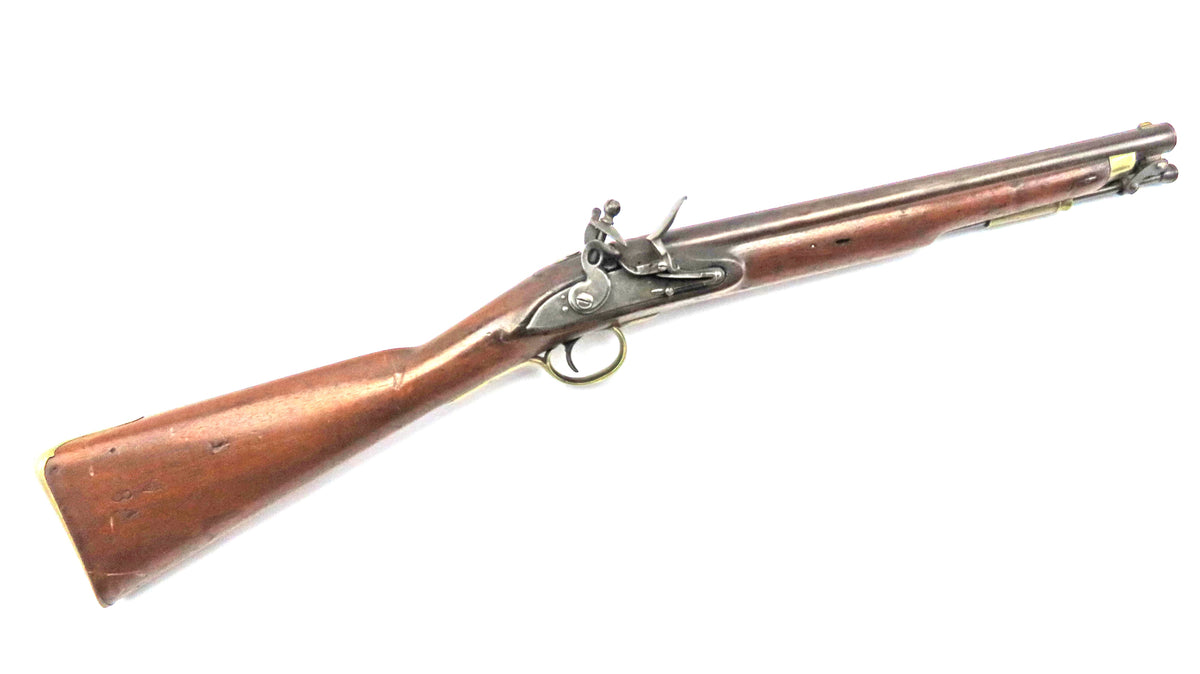
Rare Flintlock Short Carbine for the Queen of Spain. Ref X3586. A Rare 1835 Pattern Flintlock Short Carbine for the Queen of Spain. 31 &194;&190;&157; overall, 16&157; round carbine bore barrel with brass fore sight, Ordnance proofs.&194;&160; Flat, double border engraved lock with Crown WR & inspector´s mark with Tower on the tail, flat ring neck cock, semi-waterproof pan. Walnut full stock with Lacy stamped in the bottom of the butt, and ´BO´ mark. Sling swivel bar, brass trigger guard, barrel retained by two slides, with brass fore end cap, one ramrod pipe & swivel rammer. Circa 1835&194;&160; &194;&160; &194;&160; &194;&160; &194;&160; &194;&160; &194;&160; &194;&160; &194;&160; &194;&160; &194;&160; &194;&160; &194;&160; &194;&160; &194;&160; &194;&160; &194;&160; &194;&160; &194;&160; &194;&160; &194;&160; &194;&160; &194;&160; &194;&160; &194;&160; &194;&160; &194;&160; &194;&160; &194;&160; &194;&160; &194;&160; &194;&160; &194;&160; &194;&160; &194;&160; &194;&160; &194;&160; &194;&160; &194;&160; &194;&160;&194;&160; Rare carbine almost exact copy of the Paget, the most obvious difference being the lack of a rear sight. In good condition. &194;&160; &194;&160; &194;&160; &194;&160; &194;&160; &194;&160; &194;&160; &194;&160; &194;&160; &194;&160; &194;&160; &194;&160; &194;&160; &194;&160;&194;&160; Images courtesy of West Street Antiques (https://antiquearmsandarmour.com/)
  • Nation : British
  • Local Price : £2495
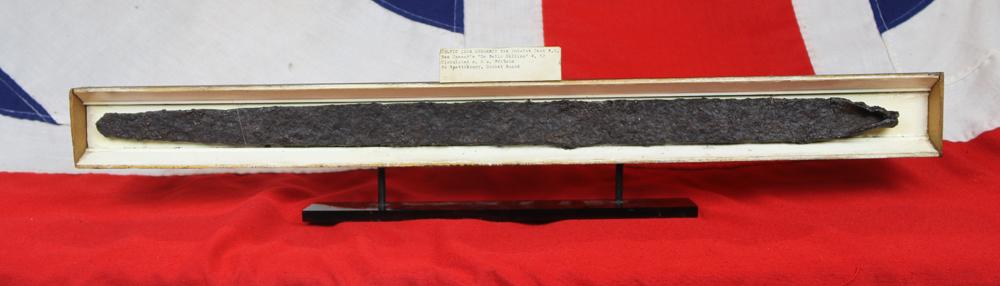
Click and use the code >23228 to search for this item on the dealer website Incredibly Rare British Celtic Iron Age Sword Circa Ist Cent. BC. Made Around a Century Before the Roman Conquest, by Claudius. Amazingly Its Very Type Was Noted in Caeser´s Writings During His Time In Britannia. A Durotriges Celts Sword. Discovered
  • Nation : British
  • Local Price : £2495
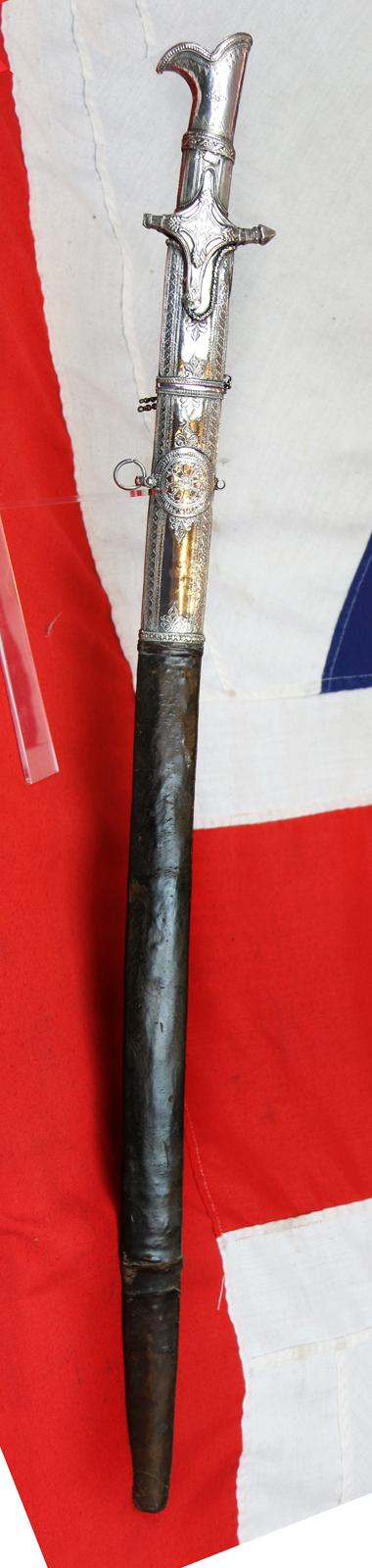
Click and use the code >25886 to search for this item on the dealer website Rare & Beautiful, French, Napoleonic Wars Era, Consular Guard, Then, Imperial Guard, Silver Mounted Sword. A ´Sabre d´Officier Superieur a Monture a L´Orientale´, With French Napoleonic Nationale Maker Inscription, Coulaux et Cie,
  • Nation : British
  • Local Price : £2,495.00
Pattern 1842 Musket to the Bank of England. Ref X3560. A Pattern 1842 Musket to the Bank of England. 54&157; overall, 39&157; round .750 barrel with blade fore sight & standing rear sight London proofs engraved ´Bank of England´ on the top. Percussion border engraved side lock engraved ´Lacy and Co´. Walnut full stock, barrel retained by three slides with regulation brass mounts comprising butt plate engraved, number 118, brass trigger guard, Lovell side cups, 3 ramrod pipes, fore end cap & Lovell pattern bayonet catch. With original button headed ramrod, later leather sling and a 1842 pattern bayonet. Circa 1845&194;&160; &194;&160; &194;&160; &194;&160; &194;&160; &194;&160; &194;&160; &194;&160; &194;&160; &194;&160; &194;&160; &194;&160; &194;&160; &194;&160; &194;&160; &194;&160; &194;&160; &194;&160; &194;&160; &194;&160; &194;&160; &194;&160; &194;&160; &194;&160; &194;&160; &194;&160; &194;&160; &194;&160; &194;&160; &194;&160; &194;&160; &194;&160; &194;&160;&194;&160; High quality Volunteer weapon in very good condition. Lacy & Co and Witton supplied about 150 muskets as well as carbines & pistols to the Bank of England in 1843 and they remained in use there till about 1875.&194;&160; See JAAAs Vol xxv No3 March 2026 for information on Bank of England Weapons Images courtesy of West Street Antiques (https://antiquearmsandarmour.com/)
Page 7 of 40

The following items match your search but are currently listed on Ebay. We take no responsibility for any aspect of the listings or their accuracy.


Sorry, there is not any matching items.